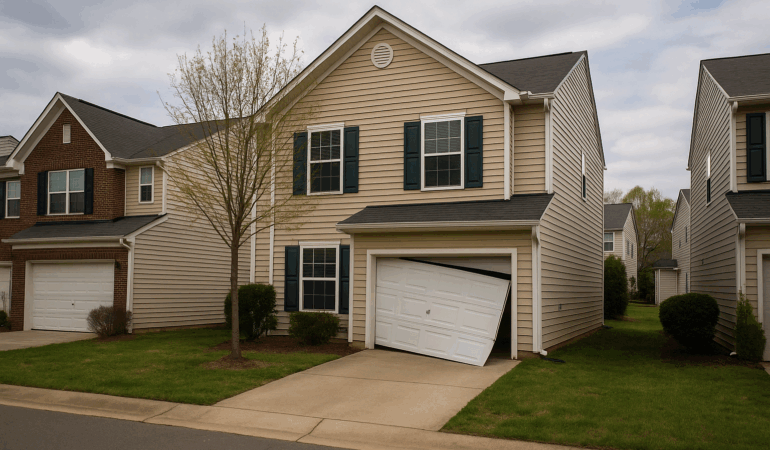
Is Your Garage Door on Its Last Legs?

As homeowners, we often overlook the importance of our residential garage doors until they start to malfunction. A well-functioning garage door is crucial for the security and functionality of our homes.

If you’re experiencing issues with your garage door, it may be time to consider garage door replacement or repair. At Advanced Overhead Door NC, we have the expertise to guide you through the process. You can contact us at 704-966-4128 for a free estimate.

Understanding when to repair or replace your garage door can be challenging. In this article, we’ll explore the signs that indicate your garage door needs garage door installation or replacement, and the benefits of upgrading to a new one.

Signs Your Garage Door Needs Immediate Attention

It’s important to know when your garage door is failing. This is key for keeping your home safe and secure. A garage door nearing the end of its life will show warning signs that you can’t ignore.

Unusual Noises and What They Indicate

Strange noises when your garage door moves can mean trouble. Sounds like grinding, scraping, or squeaking might point to worn-out parts or misalignment. Regular garage door maintenance can catch these issues early.

Visible Physical Damage Assessment

Wear and tear on your garage door, like dents, cracks, or rust, can weaken it. It’s vital to check how bad the damage is. This will help decide if you need a garage door repair or a new one.

Type of Damage Possible Cause Recommended Action
Dents and Cracks Impact or Wear Inspect for structural integrity
Rust Moisture Exposure Apply rust-resistant coating

Operational Issues That Shouldn’t Be Ignored

If your garage door has trouble opening or closing, it’s a red flag. Problems like uneven movement or getting stuck might mean issues with balance or track alignment. These are critical signs of garage door failure.

Knowing these signs can help you act fast. This ensures your home stays safe and secure.

The Safety Risks of Postponing Garage Door Replacement

Not replacing your garage door can be very dangerous. An old or broken garage door can make your home less safe. It also puts your family at risk.

Potential Hazards to Family Members

Old or damaged garage doors can be dangerous, especially for kids. Some dangers include:

  • Risk of Injuries: Doors that fall or don’t work right can hurt people badly.
  • Entrapment: Old doors might not have safety features like auto-reverse. This can trap people.

For tips on keeping your garage door safe, check out our maintenance tips.

Security Vulnerabilities for Your Home

Waiting to replace your garage door can make your home less secure. Some risks include:

  1. Potential for Theft: A weak garage door is an easy way for burglars to get in.
  2. Property Damage: A broken garage door can also cause damage to your property. This could be from forced entry or bad weather.

Getting a new, secure garage door can make your home safer. It’s a good idea to get one with the latest security features.

How Age Affects Your Garage Door’s Performance

The age of your garage door is key to its efficiency and safety. As doors get older, parts can wear out. This can lead to less performance and safety risks.

Average Lifespan of Different Garage Door Types

Garage doors vary in lifespan. For example, steel garage doors can last 20 to 30 years with care. On the other hand, wooden garage doors may need to be replaced every 15 to 20 years. This is because wood can rot and warp.

Knowing how long your garage door type lasts can help you plan for when it might need to be replaced.

Garage Door Type Average Lifespan
Steel 20-30 years
Wooden 15-20 years
Aluminum 20-25 years

Maintenance History and Its Impact on Longevity

Regular maintenance can make your garage door last longer. Tasks like lubricating parts and checking for wear can prevent early damage. For more tips on keeping your garage door in good shape, check out our guide on garage door maintenance.

Keeping a maintenance log can help your garage door run smoothly for years.

Understanding how age impacts your garage door’s performance helps you decide when to replace it. This ensures your door stays safe and efficient.

Rising Energy Bills? Your Garage Door Might Be the Culprit

Are your energy bills going up? It might not be your appliances. An old or worn-out garage door can really hurt your home’s energy efficiency. This can lead to higher utility costs.

How Outdated Doors Affect Home Insulation

Old garage doors often don’t insulate well. This lets cold air in during winter and hot air in during summer. Your heating and cooling systems have to work harder, using more energy. A poorly insulated garage door can be a big energy waster.

Energy-Efficient Options for Replacement

Getting a new garage door can lower your energy bills. Today’s garage doors are made to keep your garage and living areas comfy. Look for these features in energy-efficient garage doors:

  • High R-value insulation for better thermal resistance
  • Weatherstripping to prevent air leaks
  • Durable materials that withstand various weather conditions
Insulation Type R-Value Energy Savings
Polyurethane R-10 to R-12 Up to 30%
Polystyrene R-6 to R-8 Up to 20%
No Insulation R-0 0%

Upgrading to an energy-efficient garage door makes your home more comfy and saves on energy bills. It’s a smart move for a more sustainable and cost-effective home.

Aesthetic Considerations: When Your Garage Door Hurts Your Curb Appeal

Your garage door’s look is key to your home’s curb appeal. An old or worn-out garage door can make your home look less appealing. We often forget about the garage door when thinking about our home’s look. But, it’s a big part that can make or break your home’s appearance.

Signs of Outdated Design and Wear

An outdated or worn-out garage door can hurt your home’s look. Look for faded colors, rusty or broken hardware, and a worn-out look. If your garage door looks old or is in bad shape, it’s likely making your home look less attractive.

Current Garage Door Style Trends

Today, garage doors are all about clean lines, simple designs, and natural materials like wood. If you want to improve your home’s look, check out current garage door style trends.

How a New Door Can Transform Your Home’s Appearance

A new garage door can really change your home’s look, making it more appealing and possibly increasing its value. By picking a modern design that fits your home’s exterior, you can make your property more welcoming and attractive.

Garage Door Style Characteristics Impact on Curb Appeal
Traditional Classic design, often with raised panels Timeless appeal, suitable for most homes
Modern Clean lines, minimal ornamentation Enhances contemporary home designs
Carriage House Simulates a carriage house door, often with hardware Adds a rustic, charming appeal

Knowing when your garage door is outdated and keeping up with style trends can help you improve your home’s curb appeal.

The Complete Guide to Garage Door Installation and Replacement

Building a new home or upgrading your garage door? Knowing the installation process is key. Replacing a garage door needs careful thought and expert help for safety, security, and looks.

Professional vs. DIY Installation: What You Need to Know

Homeowners face a big choice: DIY or professional installation for garage doors. DIY might save money, but garage door installation needs special tools and skills. Professional installation means the job is done right, safely, and fast.

  • Professional installers have the right experience and training.
  • They can handle complex jobs and repairs.
  • Professional installation usually comes with a warranty.

The Replacement Process Explained Step-by-Step

The garage door replacement process has several steps:

  1. Checking the current garage door and parts.
  2. Picking a new garage door and hardware.
  3. Removing the old garage door.
  4. Putting in the new door, springs, and hardware.
  5. Testing and adjusting the new door.

Average Timeline for Professional Installation

The time for professional garage door installation varies. It depends on the job’s complexity and the installer’s schedule. Simple replacements usually take a few hours. More complex ones might take longer.

Understanding the garage door installation and replacement process helps homeowners make smart choices. This ensures their new garage door is installed correctly and efficiently.

Types of Garage Doors: Finding Your Perfect Match

Garage doors come in many types, each with its own benefits. Homeowners need to think about material, style, and function to choose the right one. This ensures the garage door fits their needs perfectly.

Material Options and Their Benefits

The material of your garage door affects its durability and upkeep. It also changes how it looks. Here are some common materials:

  • Steel: Steel doors are durable and easy to maintain. They can also be insulated for better energy use.
  • Wood: Wooden doors give a classic look. They need more care than steel but can be painted or stained.
  • Aluminum: Aluminum doors are light and don’t rust, great for coastal areas.
  • Fiberglass: Fiberglass doors are strong and look like wood. They also resist dents and rust.

Style Choices to Complement Your Home

The style of your garage door can really make your home look better. Here are some popular styles:

  • Traditional: These classic designs fit most homes well.
  • Modern: Sleek designs are perfect for modern homes.
  • Carriage House: These doors look like old carriage houses, adding charm.

Weather Considerations for Door Selection

Your local weather is key in picking the right garage door. For example:

  • In coastal areas, choose doors that resist saltwater damage, like aluminum or fiberglass.
  • In areas with very hot or cold temperatures, insulated doors help keep your garage comfortable. This can save on energy costs.

Thinking about these points helps homeowners pick a garage door that looks good and works well. It also stands up to local weather.

Smart Technology Integration for Modern Garage Doors

Modern garage doors are more than just entry points. They’re key parts of our smart homes. They bring better security, ease, and home function.
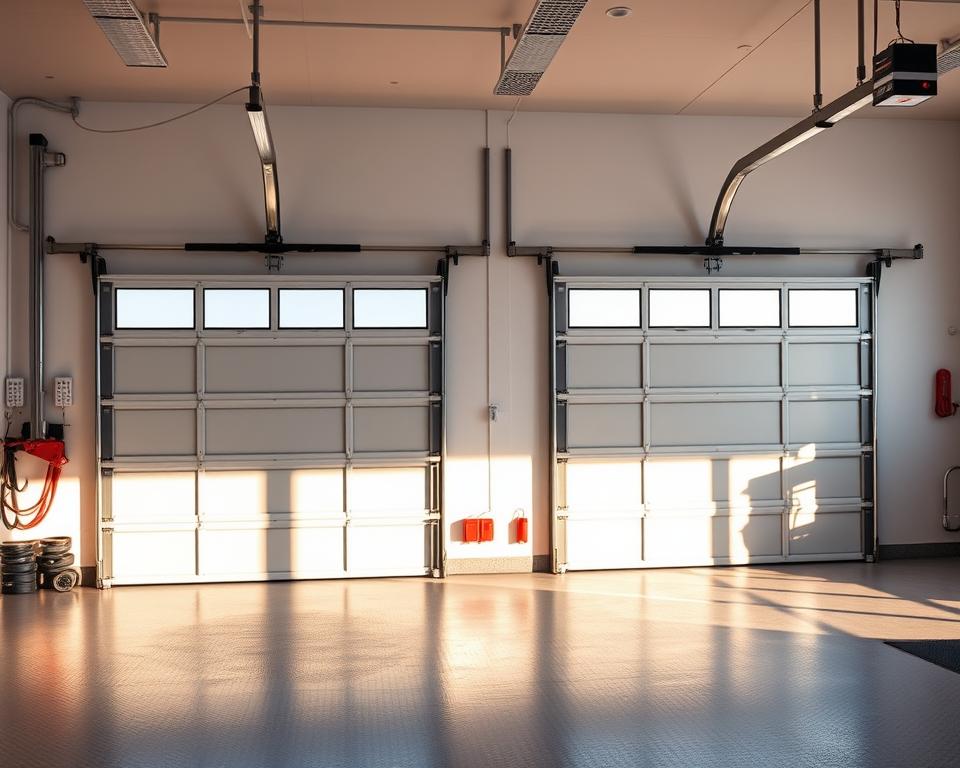
smart garage doors

Remote Access and Security Features

Smart garage doors let you control them from anywhere. With a smartphone app, you can open or close your garage door. This is handy for letting family or service providers in when you’re out.

They also have top-notch security. You get alerts if the door is open or if someone tries to mess with it.

Compatibility with Home Automation Systems

Smart garage doors work well with home automation systems. This makes them easy to add to your smart home setup. You can control your garage door with other smart devices like lights and thermostats.

This integration makes managing your home easier. It’s all about convenience and control.

Future-Proofing Your Garage Door Investment

Getting a smart garage door is smart for the future. As tech gets better, your garage door can too. It keeps up with your needs and stays useful.

This flexibility is key. It makes your garage door last longer and stay a valuable part of your smart home.

Cost Factors in Garage Door Replacement

Replacing a garage door involves many factors, like materials and labor. Knowing these can help homeowners make smart choices.

Breaking Down the Investment: Materials, Labor, and Extras

The cost of replacing a garage door includes materials, labor, and extra features. Materials can be simple steel or fancy wood, changing the price. Labor costs depend on where you live, the installer’s skill, and how hard it is to install. Additional features like smart tech, insulation, and fancy hardware add to the price.

Component Cost Range Description
Materials $800 – $3,000 Includes the garage door itself, ranging from basic steel to custom wood.
Labor $200 – $1,000 Cost of professional installation, varying by location and complexity.
Additional Features $100 – $1,000 Extras like smart technology, insulation, and decorative elements.

Financing Options Available

There are many financing options for garage door replacement. You can look into loans, credit plans, or programs from manufacturers. It’s key to compare these to find the best one for your budget.

Long-Term Value and Return on Investment

Getting a new garage door can really boost your home’s value and energy use. A modern, well-insulated door can save you money on energy and might even raise your home’s resale value. Think about energy savings, better looks, and more security when figuring out the investment.

How to Choose a Reliable Garage Door Installation Company

Finding a good garage door installation company is key for a smooth replacement. The installer you pick can greatly affect the quality of the job and your happiness.

Credentials and Experience to Look For

When looking for a garage door installer, check their credentials and experience. Make sure they are licensed, insured, and certified by industry groups. A company with a long history of good installations is usually more trustworthy.

Look at how long they’ve been in business and their skill with different garage doors.

Reading Reviews and Checking References

Reading reviews from past customers is a great way to see if a company is reliable. Look up reviews online and ask for references. This will help you understand their quality and service.

Questions to Ask Before Hiring

Before you decide, ask the companies you’re considering some important questions. Here are a few:

  • What experience do you have with garage doors like mine?
  • Can you give me a detailed cost estimate?
  • How long will the installation take?
  • Do you offer any warranties or guarantees?

By looking at their credentials, reading reviews, and asking the right questions, you can find a reliable garage door installer. They will meet your needs.

Maintenance Tips to Extend Your New Garage Door’s Life

Regular upkeep is key to keeping your garage door in top shape. It helps avoid expensive fixes. By following simple maintenance tips, your garage door will keep working well.

Seasonal Maintenance Checklist

Seasonal checks can spot problems early. Here’s a basic checklist:

  • Inspect the garage door’s balance and alignment.
  • Lubricate moving parts such as hinges and rollers.
  • Check the condition of the weatherstripping and replace if necessary.
  • Tighten any loose hardware.

Seasonal maintenance keeps your garage door running smoothly and safely.

When to Call Professionals vs. DIY Maintenance

Some tasks you can do yourself, but others need a pro. DIY tasks include lubricating parts and tightening hardware. But, complex jobs like spring replacement need a pro.

Knowing your limits is important to avoid accidents or damage to your garage door.

Warranty Considerations and Coverage

Understanding your garage door’s warranty is crucial. Most warranties cover parts and labor for a set time. Keeping maintenance and repair records can help with warranty claims.

Take the Next Step Toward Your Garage Door Upgrade Today

Now you know when it’s time for a new garage door. A modern door boosts your home’s look and makes it safer and more energy-efficient.

At our company, we know how crucial a good garage door is. We offer top-notch replacement services for a smooth installation. Just contact us online or call 704-966-4128 for a free estimate.

Our team is here to help you find the right garage door. We aim to meet your needs and budget. Let us help you upgrade your garage door today for better performance and service.

Ready to upgrade your garage door? Contact us now for a free estimate and expert replacement services.

FAQ

What are the signs that my garage door needs to be replaced?

Look for unusual noises, visible damage, and operational issues. If your garage door makes strange noises, has damage, or has trouble opening and closing, it’s time to think about replacing it.

How long do garage doors typically last?

Garage doors last between 15 to 30 years, depending on the type and material. Regular maintenance can help extend its life.

Can an old garage door affect my energy bills?

Yes, an old garage door can make your home less energy-efficient. This can increase your energy bills. A new, energy-efficient garage door can help save money.

What are the benefits of installing a new garage door?

A new garage door can make your home look better, improve security, and save energy. It also gives your home a modern look.

Should I replace my garage door myself or hire a professional?

DIY installation is possible, but we suggest hiring a professional. They have the right skills and tools for a safe, proper installation.

What types of garage doors are available?

We offer different types of garage doors, including steel, wood, and aluminum. We also have various styles to match your home’s look. Consider the weather when choosing a garage door.

Can I integrate smart technology with my new garage door?

Yes, you can add smart technology to your garage door. This includes remote access and security features. You can control your garage door with your smartphone and get notifications when it’s opened or closed.

How much does garage door replacement cost?

The cost of replacing a garage door varies. It depends on materials, labor, and extra features. Get a quote from a professional to find out the total cost.

How can I maintain my new garage door?

To keep your garage door in good shape, do regular checks, lubricate moving parts, and tighten loose hardware. Knowing your warranty and what it covers is also important.

How do I choose a reliable garage door installation company?

Look for a company with good credentials, experience, and reviews. Check references and ask questions before hiring. This ensures a successful installation.

What is the average timeline for professional garage door installation?

The time it takes to install a garage door varies. It depends on the job’s complexity and the installer’s schedule. It can take a few hours to a few days.
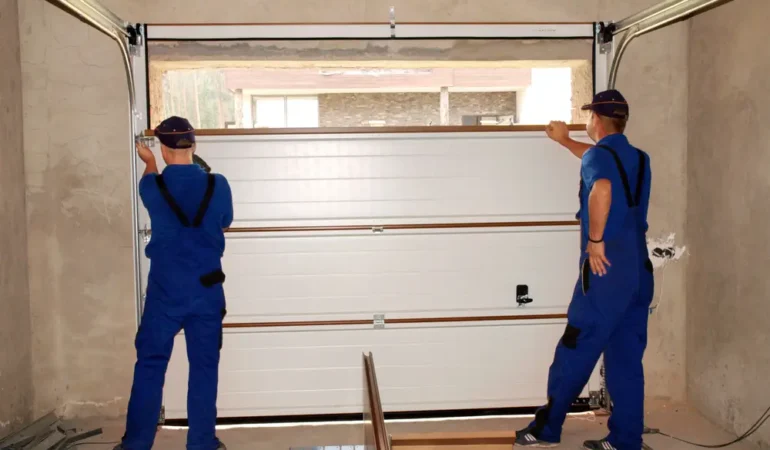
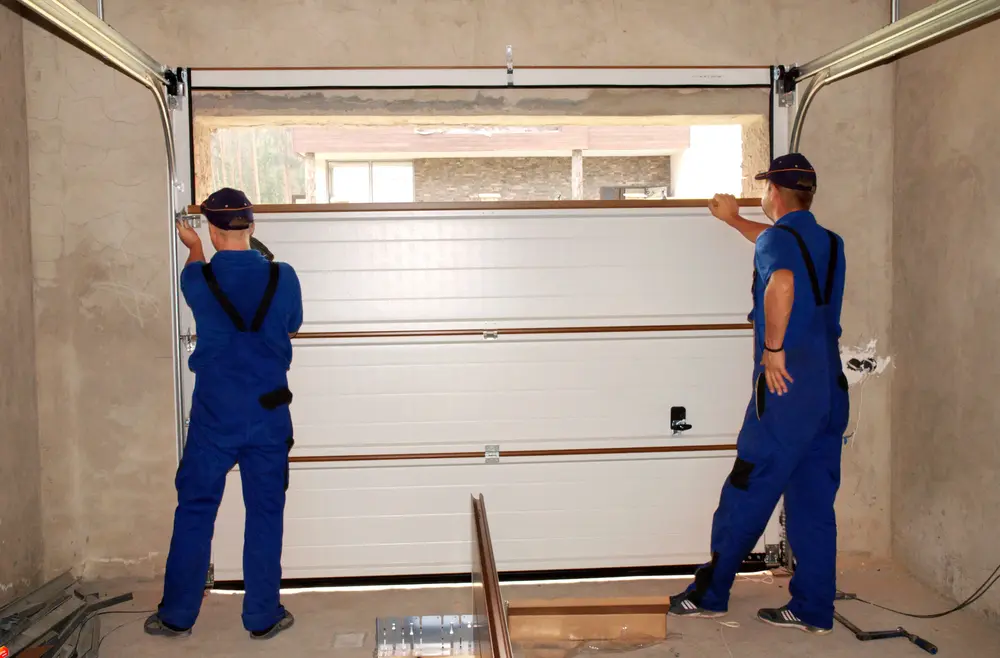
How to Prepare for an Unexpected Garage Door Emergency Repair

Importance of Garage Door Maintenance

Regular maintenance of your garage door is crucial in preventing unexpected emergency repairs. Neglecting basic upkeep can lead to issues such as malfunctioning sensors, noisy operation, or even complete failure. By conducting routine maintenance tasks like checking for loose parts, applying lubrication, and testing the garage door balance, you can avoid costly repairs and ensure your door operates smoothly. Taking the time to maintain your garage door can extend its lifespan, enhance its performance, and increase the safety of your home.

Signs of a Garage Door Emergency

Garage door emergencies can be stressful, but knowing the signs can help you be prepared. Look out for strange noises or grinding sounds when opening or closing your garage door. If you notice the door shuddering or moving unevenly, it could indicate a problem. Sudden slow operation or a door that won’t open or close are clear signals of a potential emergency. Keep an eye on broken springs, cables, or rollers as well, as these can lead to serious issues. If you spot any of these signs, it’s best to address them promptly to avoid more extensive repairs.

Steps to Take When Facing a Garage Door Emergency

Unexpected garage door emergencies can be stressful, but knowing what to do can help you handle the situation smoothly. When facing a garage door emergency, follow these steps to ensure your safety and to address the issue promptly. First, check if anyone is hurt or in danger due to the emergency. Next, assess the situation to determine if the garage door can be safely operated. Then, if possible, try to identify the cause of the emergency, such as a broken spring or a malfunctioning opener. After that, contact a professional garage door repair service to assist you with the emergency situation. Remember, staying calm and taking swift action is crucial when dealing with a garage door emergency.

Safety Precautions During Garage Door Repairs

Always remember to unplug the garage door opener before starting any repair work to avoid accidents. Use a sturdy ladder and have someone hold it steady for you. Wear protective gear, such as gloves and safety goggles, to shield yourself from any potential harm. Keep children and pets away from the work area to prevent any accidents. Be cautious when working with springs and cables, as they are under tension and can cause serious injuries if mishandled. Follow the manufacturer’s instructions carefully to ensure a safe and successful repair process.

Tools and Supplies Needed for Emergency Garage Door Repair

Keep some essential tools handy for unexpected garage door repairs.

  • Have a socket set, screwdriver, and pliers in your toolbox.
  • Keep a ladder nearby to access higher parts.
  • Stock up on replacement parts like rollers, hinges, and cables.
  • Have lubricant available for smooth functioning.
  • Consider having a garage door repair manual for guidance in emergencies.

How to Locate a Reliable Garage Door Repair Service

In case your garage door breaks down unexpectedly, it’s crucial to have a reliable repair service on hand. When looking for a repair service, ask for recommendations from friends or family. Online reviews can also help you gauge the quality of a service. Local repair companies may offer quicker response times in emergency situations. Make sure the service is licensed and insured to protect yourself from any liabilities.

Understanding the Cost of Emergency Garage Door Repairs

Garage door emergency repairs can vary in cost depending on the extent of the damage and the parts that need replacement. Normally, emergency repair costs can range from (100 to )500, but this can increase if major components like springs or cables are involved. It’s important to have a budget set aside for unexpected repairs to ensure your garage door is fixed promptly and safely. Be prepared and informed about potential costs to avoid any surprises when a repair is needed.

DIY Tips for Temporary Garage Door Fixes

A temporary fix for a malfunctioning garage door is to check for any loose hardware and tighten them. Inspect the tracks for any debris, clean them if needed, and ensure they are aligned properly. Lubricate the moving parts like rollers and hinges for smooth operation. Testing the door’s balance is crucial; adjust the spring tension if necessary. In case of a power outage, use the emergency release cord to manually open and close the door. Remember, these fixes are temporary solutions, and it is best to consult a professional for a permanent repair.

Common Causes of Garage Door Emergencies

Garage door emergencies can be caused by various factors. The most common reasons include broken springs, malfunctioning sensors, damaged cables, and off-track doors. These issues can arise suddenly and disrupt the functioning of your garage door. Understanding these potential causes can help you prepare for unexpected emergency repairs and ensure the safety and security of your garage.

Preventative Measures to Avoid Future Garage Door Emergencies

To avoid dealing with sudden garage door problems, it’s essential to perform regular maintenance. Here are some preventative measures you can take:

  • Inspect and lubricate the moving parts of your garage door, such as hinges and rollers, to keep them working smoothly.
  • Check the balance of your garage door by disconnecting the opener and manually lifting it halfway. If it doesn’t stay in place, it may be unbalanced.
  • Ensure the tracks are aligned by examining them for any gaps or bends that could cause the door to malfunction.
  • Keep the garage door sensors clean and free from any obstruction to ensure they function properly and prevent accidents.
  • Replace weather stripping if it’s cracked or damaged to maintain the insulation and protect the door from weather elements.

By regularly maintaining your garage door, you can reduce the chances of facing unexpected emergencies in the future and keep your garage door running efficiently.

Garage door trouble? Contact Advanced Overhead Garage door today.

Is Your Garage Door a Hidden Danger? Here’s What You Need to Know in Denver, NC

Why Garage Door Safety Matters

Garage doors are heavy and pose significant risks if they aren’t functioning correctly. An improperly working garage door can cause serious injuries or expensive property damage. Let’s explore why regular garage door maintenance is vital for your safety.

One major reason safety checks are crucial is the potential for serious accidents. Every year, countless injuries result from faulty garage doors. Imagine your garage door suddenly collapsing due to a maintenance oversight—it’s a scenario nobody wants to experience. Regular safety inspections help catch issues early, protecting your home and, more importantly, your family. Not sure about your garage door’s condition? Contact Advanced Overhead Door NC today at 704-966-4128 for a FREE estimate!

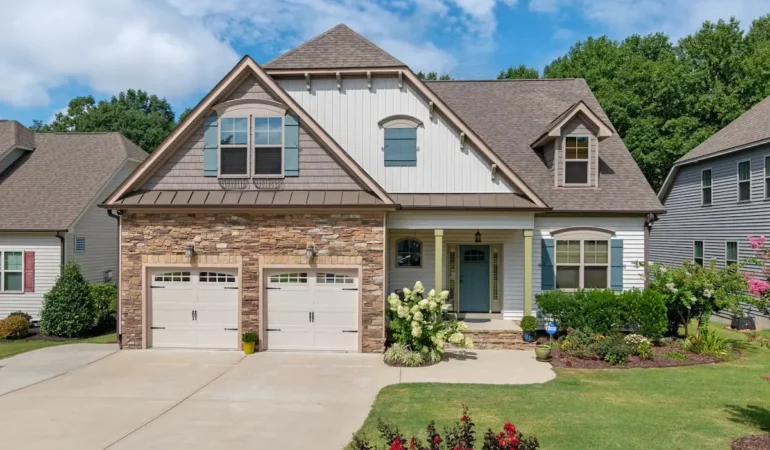
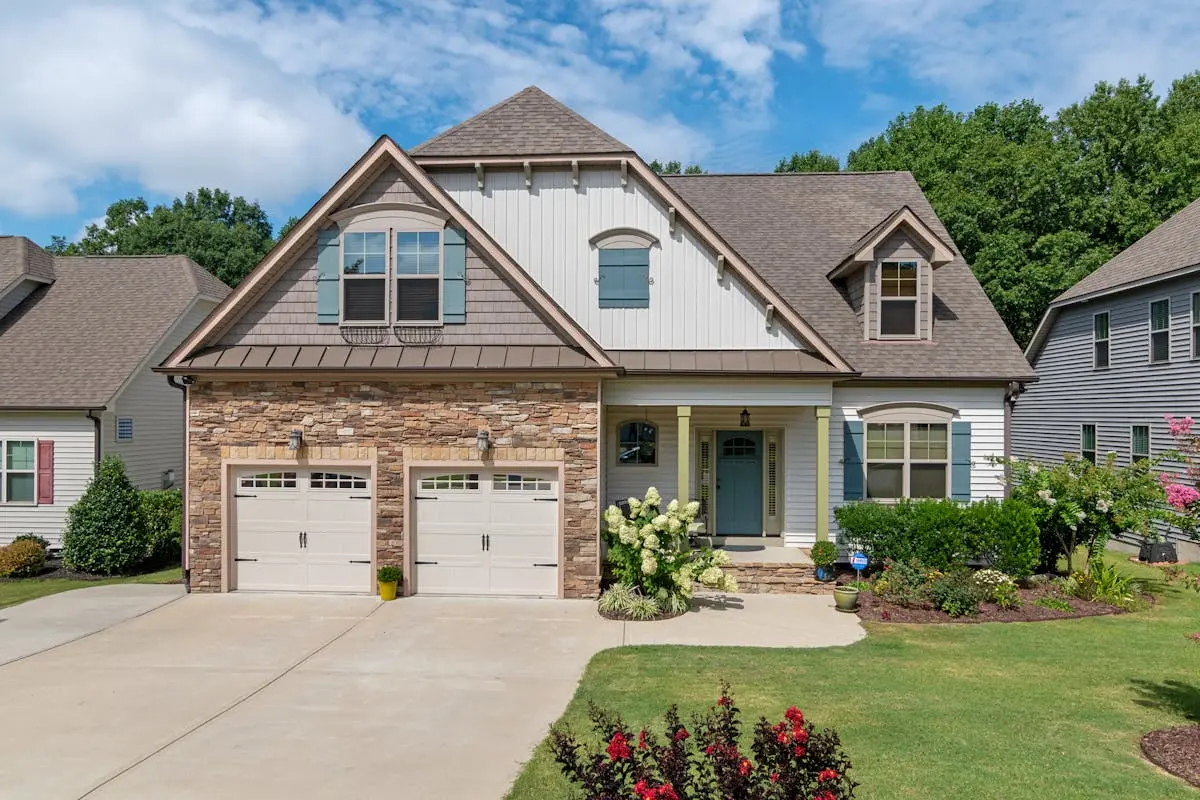
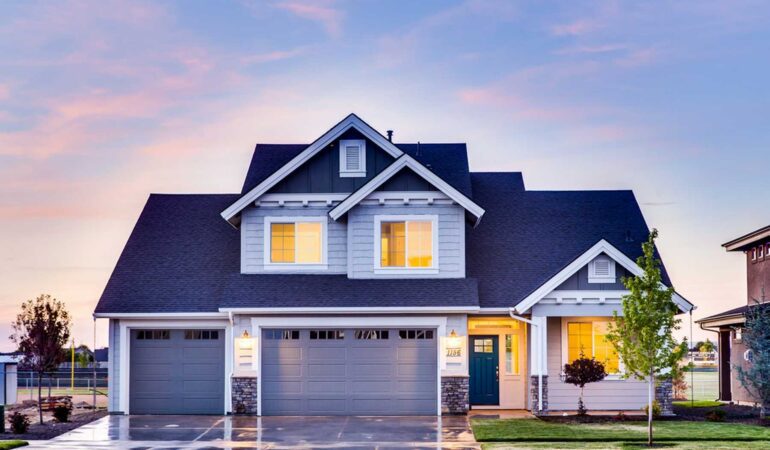
Charming suburban house with a double garage and landscaped yard.

Ignoring garage door maintenance can also hurt your wallet. Small problems can quickly escalate into major repair bills or even require a complete garage door replacement. By scheduling regular safety checks, you avoid surprise expenses and keep your garage door working smoothly.

Additionally, a properly maintained garage door enhances your home’s security. Malfunctioning doors are easy targets for burglars. Safety features like the automatic reversal system need to be regularly checked to ensure they function correctly, protecting your family and belongings. Need peace of mind? Schedule your FREE garage door safety check today by calling 704-966-4128.

Common Garage Door Issues to Watch For

From misaligned sensors to frayed cables, garage doors encounter numerous problems. Here’s how to spot common issues before they become safety hazards.

A common problem homeowners experience is a garage door that opens or closes unevenly. This often signals issues with springs or tracks. If your garage door jerks or struggles to move, don’t wait—call a professional at Advanced Overhead Door NC (704-966-4128) for immediate help.

Safety sensors are another critical component. They’re designed to stop the door if an object or person is detected, but dirty or misaligned sensors can fail, risking injury to pets and children. Regularly clean and inspect these sensors to ensure they’re working perfectly.

Don’t overlook your door’s exterior. Rust and decay indicate wear and tear, which can be addressed by painting or sealing. Proactive care avoids costly repairs, keeps your door looking great, and ensures smooth operation. Notice wear and tear? Call now at 704-966-4128 for a FREE estimate.

How Often Should You Perform a Safety Check?

Knowing when to check your garage door is essential. Here’s what experts recommend.

Perform a safety check at least twice a year. However, extreme weather—like heavy snow or intense heat—might require more frequent inspections. Temperature fluctuations can degrade garage door components quickly.

If your garage serves as the primary entry to your home, consider checking it quarterly. Think of it as your garage door’s routine health check—regular checks can prevent minor issues from becoming big headaches.

Also, inspect your garage door after severe weather events like storms, heavy rains, or winds. Prompt inspection helps identify and fix problems early. Need assistance after extreme weather? Contact Advanced Overhead Door NC for your FREE safety inspection at 704-966-4128.

DIY Garage Door Safety Checks: Simple Steps

Performing safety checks yourself can save time and money. Follow these easy steps:

  • Visual Inspection: Check for rust, dents, or cracks. Quick visual inspections often reveal early signs of problems.
  • Automatic Reverse Test: Place a small object beneath the door while closing it. The door should reverse immediately if sensors work correctly. Regularly test this crucial safety feature.
  • Balance Check: Disconnect the opener, then manually lift the door halfway. A balanced door remains stationary. If it moves, springs might need professional adjustment.

Not comfortable checking these yourself? Schedule your FREE estimate today at 704-966-4128.

When to Call a Professional

While DIY checks are helpful, some issues require professionals. Here’s when to call in experts:

  • Unusual noises: Grinding or scraping sounds indicate internal issues requiring professional attention.
  • Door not responding: Issues with remote or wall switch operation suggest electrical problems best handled by experts.
  • Physical damage: Warping or deep dents affect the door’s safety and performance.

If you spot these issues, don’t risk your safety—call Advanced Overhead Door NC immediately at 704-966-4128 for expert help.

Stay Safe and Secure Today!

Prioritize your garage door safety to protect your family and your wallet. Regular checks prevent issues from becoming costly problems. Ready to ensure your garage door is safe and secure? Schedule your FREE estimate with Advanced Overhead Door NC now at 704-966-4128. Remember, safety starts at home!

8 Key Features to Consider for Garage Door Openers

Identifying the Signs You Need Garage Door Opener Repair

Identifying the Signs You Need Garage Door Opener Repair

Identifying the Signs You Need Garage Door Opener Repair garage door opener issues are often indicated by strange noises during operation, slow or uneven movement of the door, and flashing lights on the opener unit. If you notice any of these signs, it may be a clear indication that your garage door opener needs repair. Additionally, if your remote control or wall switch is unresponsive, or if the door reverses direction unexpectedly, these are also signs that your opener may need attention. Regular maintenance can prevent many of these problems, so be sure to keep an eye out for these signs.

Identifying the Signs You Need Garage Door Opener Repair

The importance of garage door opener maintenance

Regular maintenance of your garage door opener is important to ensure it operates smoothly and safely. Here’s why:

  1. Regular maintenance can identify and fix small issues before they become big problems, potentially saving you money on repairs in the long run.
  2. It helps to keep your garage door opener functioning efficiently, reducing the risk of unexpected breakdowns.
  3. Proper maintenance can also prolong the lifespan of your garage door opener, giving you more value for your investment.

DIY troubleshooting for garage door opener problems

Identifying the Signs You Need Garage Door Opener Repair if you are experiencing issues with your garage door opener, there are a few troubleshooting steps you can take before calling a professional. Here are some common problems and possible solutions:

  1. Remote Control Not Working
  • Check the batteries and replace them if needed
  • Reprogram the remote according to the manufacturer’s instructions
  1. Door Not Opening or Closing
  • Inspect the photo-eye sensors to ensure they are aligned and free from obstructions
  • Lubricate the moving parts of the door to ensure smooth operation
  1. Unusual Noises
  • Tighten any loose hardware, such as bolts or screws
  • Inspect the tracks and rollers for debris or damage

Remember, safety should always be a priority when troubleshooting your garage door opener. If you are uncertain or uncomfortable with any of these steps, it’s best to consult a professional.

The role of professional inspection and assessment

Identifying the Signs You Need Garage Door Opener Repair to identify if your garage door opener needs repair, a professional inspection and assessment play a crucial role. A professional technician can thoroughly examine the opener, looking for signs of wear and tear, malfunctions, and potential safety hazards. This comprehensive assessment allows them to provide an accurate diagnosis and recommend the necessary repairs. It’s important to trust the expertise of a professional to ensure the safety and efficiency of your garage door opener. Identifying the Signs You Need Garage Door Opener Repair.

Benefits of timely garage door opener repair

Timely garage door opener repair can help prevent further damage to your garage door system. It ensures the safety and security of your home and belongings. Regular maintenance can also extend the lifespan of your garage door opener, saving you from costly replacements. Furthermore, addressing issues promptly can prevent inconvenience caused by a malfunctioning garage door. Identifying the Signs You Need Garage Door Opener Repair.

Choosing the right garage door opener repair service

When choosing a garage door opener repair service, it’s important to consider a few key factors. Here are some things to keep in mind:

  1. Experience: Look for a service provider with a proven track record of successfully repairing garage door openers.
  2. Reputation: Check online reviews and ask for recommendations from friends or family to find a reputable repair service.
  3. Services offered: Ensure that the repair service offers the specific type of repair or maintenance your garage door opener needs.
  4. Cost: Get quotes from different repair services to compare prices and find the best value for your money.

By considering these factors, you can choose a reliable and efficient garage door opener repair service that meets your needs.

Steps involved in professional garage door opener repair

Professional garage door opener repair involves several important steps to ensure the safe and efficient operation of your garage door. Here are the main steps involved in this process:

  1. Diagnosis: A professional technician will start by diagnosing the issue with your garage door opener. They will inspect the various components of the opener to identify the root cause of the problem.
  2. Repair Plan: Once the issue is identified, the technician will develop a detailed repair plan to address the specific problem. This may involve replacing faulty parts, adjusting the opener settings, or performing other necessary repairs.
  3. Component Replacement: If any components of the garage door opener are found to be damaged or malfunctioning, the technician will proceed to replace these parts with high-quality replacements to ensure the optimal functioning of the opener.
  4. Testing and Adjustment: After the repairs have been completed, the technician will thoroughly test the garage door opener to ensure that it is operating correctly. They will also make any necessary adjustments to ensure smooth and reliable door operation.

By following these steps, a professional garage door opener repair service can effectively address any issues with your opener, ensuring that your garage door operates safely and reliably.

Different types of garage door opener repairs

The most common garage door opener repairs include replacing the garage door opener motor, fixing the garage door opener remote, and adjusting the garage door opener travel and force settings. Another typical repair is replacing the garage door opener gear and sprocket assembly. It’s essential to identify the specific issue with your garage door opener to determine the type of repair needed.

Tips for maintaining a healthy garage door opener

Identifying the Signs You Need Garage Door Opener Repair to keep your garage door opener in good shape, make sure to regularly inspect and clean the opener’s tracks, sensors, and rollers. It’s also important to tighten any loose hardware and lubricate the moving parts to prevent unnecessary wear and tear. Additionally, test the balance of the garage door and adjust it if needed to ensure smooth operation. Regular maintenance can help prolong the lifespan of your garage door opener and prevent costly repairs.

Is your garage door opener making odd noises or acting up?

Don’t wait for a full breakdown! Contact Advanced Overhead Garage Door today. Our team of experts is ready to provide top-notch maintenance and repair services, ensuring your garage door operates smoothly and safely. From routine check-ups to complex repairs, we’ve got you covered. Click here to schedule your professional inspection and embrace the peace of mind that comes with a perfectly functioning garage door opener. Act now and secure your home’s safety and convenience! Identifying the Signs You Need Garage Door Opener Repair.

Identifying the Signs You Need Garage Door Opener Repair

A garage door opener is an essential component of your home, providing convenience and security. However, like any mechanical device, it can experience issues over time. Recognizing the signs that your garage door opener needs repair can save you time, money, and frustration. Here are some key indicators to watch for.

1. Inconsistent Opening and Closing: Identifying the Signs You Need Garage Door Opener Repair

One of the most common signs of a malfunctioning garage door opener is erratic operation. If your garage door fails to open or close completely, or if it stops midway, it may indicate a problem with the opener. This inconsistency can be caused by faulty wiring, worn gears, or issues with the motor itself.

2. Unusual Noises

Pay attention to the sounds your garage door makes when operating. Grinding, squeaking, or rattling noises often signal that something is wrong. These sounds could be due to misaligned tracks, loose hardware, or a failing motor. If the noises persist, it’s advisable to have a professional inspect the opener.

3. Remote Control Malfunctions

If your remote control frequently fails to operate the garage door, it may be a sign of a deeper issue. While dead batteries are a common culprit, persistent remote control problems could indicate a malfunctioning receiver or transmitter within the garage door opener. If you find yourself having to press the remote multiple times to get a response, it’s time to investigate further.

4. Lack of Response

Identifying the Signs You Need Garage Door Opener Repair When you press the button on your remote or wall-mounted control, the door should respond immediately. If there’s a delay or the door doesn’t respond at all, it’s a strong indicator that your opener may need repair. This could be due to electrical issues, faulty wiring, or a failing motor.

5. Reverse Function Failure

Modern garage door openers come equipped with safety features, including the ability to reverse if an obstruction is detected. If your garage door fails to reverse when it encounters an object, it poses a safety risk. This malfunction could be due to misaligned sensors or problems with the opener itself, necessitating immediate repair.

6. Frequent Disconnections

If your garage door opener frequently disconnects from the power supply or operates erratically after power outages, it may be an electrical issue. Problems with the wiring, circuit board, or power supply can lead to unreliable operation. Consulting a professional is crucial in these cases to avoid further damage.

7. Visible Damage or Wear

Identifying the Signs You Need Garage Door Opener Repair Regularly inspect your garage door opener and its components for signs of wear or damage. Look for frayed cables, broken springs, or rusted parts. Visible damage not only affects the performance of the opener but can also pose safety hazards. If you notice any issues, it’s best to seek repair services promptly.

8. Age of the Opener

Consider the age of your garage door opener. Most openers have a lifespan of about 10 to 15 years. If your opener is nearing this age and you’re experiencing multiple issues, it may be time to consider a repair or even a full replacement. Newer models offer advanced features and improved safety, making them a worthwhile investment.

Conclusion

Identifying the Signs You Need Garage Door Opener Repair Being proactive in identifying issues with your garage door opener can prevent more significant problems down the road. If you notice any of these signs, it’s essential to act quickly to ensure the safety and functionality of your garage door. Regular maintenance can also help prolong the life of your opener, so schedule routine checks to keep everything in working order. If you’re unsure about the repairs needed, consulting a professional can provide peace of mind and ensure the job is done right.

05 Signs You Need an Emergency Repair on Your Garage Door

5 Signs You Need an Emergency Repair on Your Garage Door

Emergency garage door repair is crucial for ensuring the safety and security of your home. Here are 5 signs that indicate you may need immediate attention for your garage door:

  1. Unusual Noises: If your garage door is making strange or loud sounds, it could be a sign of a malfunction.
  2. Slow Response: A slow response from your garage door opener can indicate a problem with the mechanism.
  3. Sagging Sections: Any sagging or misalignment of the garage door can indicate serious issues.
  4. Cracks or Gaps: Visible cracks or gaps in the garage door panels can compromise security.
  5. Complete Failure: If your garage door fails to open or close, it is an urgent issue that requires immediate repair.

Keeping an eye out for these signs can prevent potential accidents and ensure the functionality of your garage door.

5 Signs You Need an Emergency Repair on Your Garage Door

Signs that indicate the need for emergency repair

5 Signs You Need an Emergency Repair on Your Garage Door When your garage door operates noisily, moves unevenly, or doesn’t close or open smoothly, it may require emergency repair. Sudden loud noises, visible damage, and a door that won’t stay open are also signs that immediate attention is necessary.

Worn-out or broken springs: What to look for

5 Signs You Need an Emergency Repair on Your Garage Door If your garage door springs look worn or broken, there are a few signs to watch out for. These signs include the garage door not opening or closing smoothly, a visible gap in the spring, and an uneven or shaky movement when the door is in motion. If you notice any of these signs, it’s essential to contact a professional to assess and repair the springs promptly. Delaying the repair of worn-out or broken springs can lead to further damage to your garage door and pose a safety risk.

Identifying faulty garage door openers: 5 Signs You Need an Emergency Repair on Your Garage Door

If your garage door opener shows signs of not functioning properly, it may need an emergency repair. Here are 5 signs to watch out for:

Loud grinding or scraping sounds
Inconsistent or delayed response to remote control
Door reverses direction unexpectedly
Slow or jerky movement
Door doesn’t fully open or close

Keep an eye out for these signs, as they indicate that your garage door opener might need immediate attention.

Damaged panels and their implications

Damaged garage door panels can compromise the security and functionality of your door. They can lead to further structural damage and decrease the curb appeal of your home. It’s essential to address damaged panels promptly to avoid escalating repair costs and maintain the safety and aesthetics of your property.

The danger of off-track doors

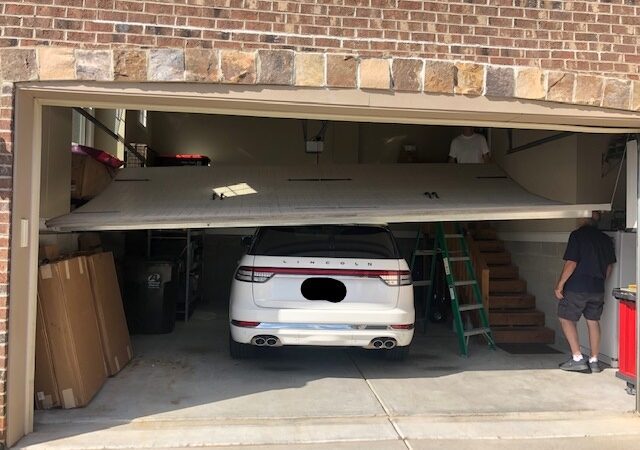
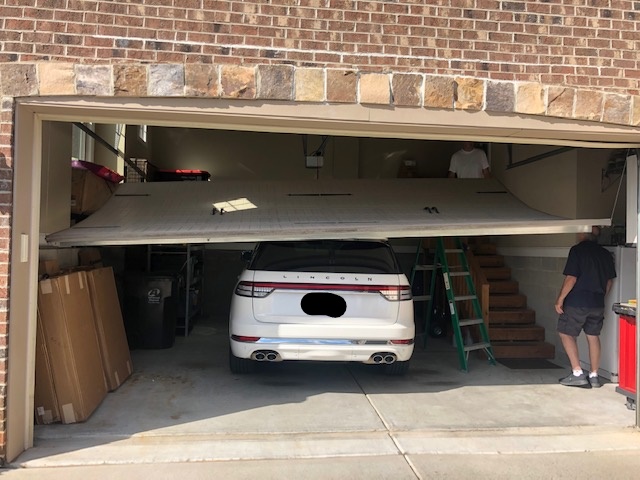
If your garage door goes off-track, it can pose serious safety risks to you and your family. An off-track garage door is not only a nuisance but also a hazard. It can lead to the door collapsing, causing damage to property, or, worse, injuring someone. It’s crucial to address an off-track door immediately to prevent accidents and further damage to the door and its components.

Immediate action: What to do in case of emergency

If your garage door suddenly stops working or is making unusual noises, it might be a sign of an emergency. In such cases, it’s important to take immediate action to prevent further damage or potential safety risks. Here’s what you should do in case of emergency:

  • Assess the Situation: Check for any obvious signs of damage or malfunction, such as broken springs, off-track rollers, or damaged panels.
  • Disable the Opener: If there are any visible problems with the door, disconnect the automatic opener to prevent any accidental operation that could worsen the issue.
  • Secure the Area: Ensure that the area around the garage door is clear of any obstructions or obstacles to prevent accidents or injuries.
  • Contact a Professional: Contact a reputable garage door repair service immediately to assess the situation and provide the necessary repairs. Avoid trying to fix the issue yourself, as it could lead to further damage or injury.
  • Document the Problem: Take photos of the damaged or malfunctioning areas of the door to provide visual evidence to the repair service. This can help them better understand the issue and prepare for the necessary repairs.

Taking these immediate actions can help mitigate the potential risks associated with a garage door emergency and ensure the safety and

Calling a professional: Why it’s essential

Calling a professional is essential for an emergency repair on your garage door because:

  1. Trying to fix it yourself can be dangerous and may cause further damage.
  2. Professionals have the expertise and proper tools to diagnose and repair the issue correctly.
  3. Prompt professional intervention can prevent the problem from escalating and save you from costly repairs later on.
  4. Professional repairs ensure the safety and security of your home and belongings.
  5. Hiring a professional can provide you with peace of mind that the job will be done right the first time.

Repair process and timeframes

5 Signs You Need an Emergency Repair on Your Garage Door when it comes to emergency repairs for your garage door, it’s essential to address the issue promptly to avoid further damage and ensure the safety of your property. Most repairs can be completed within a few hours, depending on the complexity of the problem. Common issues such as broken springs or damaged panels can typically be fixed the same day, while more extensive repairs might take longer. It’s crucial to contact a professional garage door repair service as soon as you notice any signs of damage to assess the situation and provide an accurate timeframe for the repair process.

Ensuring the safety and functionality of your garage door

It’s essential to keep your garage door safe and fully functional. Here are five signs that indicate you might need an emergency repair:

  • The door makes unusual noises when opening or closing
  • The door operates inconsistently, stopping or reversing unexpectedly
  • The door feels heavy and doesn’t open or close smoothly
  • There are visible signs of wear and tear, such as rust or damaged panels
  • The door doesn’t respond to the remote or keypad prompts

Call the Professionals at Advanced Overhead Door ☎(704) 966-4128 Give us a call Today.

5 Signs You Need an Emergency Repair on Your Garage Door

Garage doors are essential for security and convenience, but they can develop issues that require immediate attention. Recognizing the signs that you need an emergency repair can save you from potential hazards and costly damages. Here are five key indicators that your garage door may need urgent repair.

1. Unexpected Noises

5 Signs You Need an Emergency Repair on Your Garage Door If your garage door starts making loud, unusual noises such as grinding, scraping, or banging during operation, it’s a sign that something is wrong. These sounds could indicate issues with the motor, springs, or tracks. Ignoring these noises can lead to further damage and safety hazards, making immediate repair essential.

2. Failure to Open or Close

One of the most alarming signs of a malfunctioning garage door is its inability to open or close properly. If the door gets stuck or fails to respond to the remote or wall switch, it may indicate a problem with the opener, tracks, or springs. This can trap your vehicle inside or leave your home vulnerable, requiring prompt attention.

3. Visible Damage

5 Signs You Need an Emergency Repair on Your Garage Door Inspect your garage door for any visible signs of damage, such as dents, cracks, or misalignment. If the door looks warped or off its tracks, it can create dangerous situations. This misalignment can affect the door’s functionality and pose a risk to people or vehicles nearby. Immediate repair is crucial to prevent further complications.

4. Broken Springs or Cables

Garage doors rely on springs and cables for proper operation. If you notice that one of the springs is broken or if the cables appear frayed or disconnected, it’s important to act quickly. Broken springs can cause the door to fall suddenly, leading to severe injury or property damage. Repairing these components should be a top priority.

5. Malfunctioning Safety Features

5 Signs You Need an Emergency Repair on Your Garage Door Modern garage doors come equipped with safety features, such as auto-reverse mechanisms that detect obstructions. If your door fails to reverse when it encounters an object, this is a significant safety concern. A malfunctioning safety feature can lead to accidents, particularly if children or pets are present. Emergency repairs are necessary to restore safe operation.

Conclusion: 5 Signs You Need an Emergency Repair on Your Garage Door

Being vigilant about the condition of your garage door can help you identify issues early. If you notice any of these signs, it’s crucial to seek emergency repair services immediately. Prompt action not only ensures your safety but also protects your property from further damage. Regular maintenance can also help prevent many of these problems, keeping your garage door in optimal condition.

5 Signs You Need an Emergency Repair on Your Garage Door

5 Signs You Need an Emergency Repair on Your Garage Door Your garage door is vital for home security and convenience. Recognizing when it needs emergency repair can prevent accidents and costly damage. Here are five key signs to watch for:

  1. Unexpected Noises: Loud grinding or scraping sounds during operation can indicate mechanical issues. Ignoring these noises may lead to further damage.

  2. Failure to Open or Close: If your garage door won’t respond to the remote or wall switch, it may be stuck due to problems with the opener, springs, or tracks.

  3. Visible Damage: Check for dents, cracks, or misalignment. A warped door can create hazards and affect functionality, requiring immediate attention.

  4. Broken Springs or Cables: If you see a broken spring or frayed cables, act quickly. These components are crucial for safe operation and can lead to the door falling unexpectedly.

  5. Malfunctioning Safety Features: If the auto-reverse function doesn’t work when it encounters an obstruction, it poses a safety risk, especially for children and pets.

If you notice any of these signs, contact a professional for emergency repairs to ensure safety and proper functioning. 5 Signs You Need an Emergency Repair on Your Garage Door.

Understanding the Lifespan of Garage Door Springs

Understanding the Lifespan of Garage Door Springs

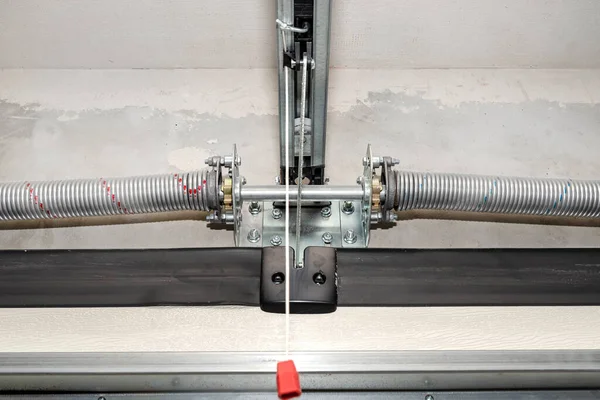
Understanding the Lifespan of Garage Door Springs What are garage door springs and why are they important? Garage door springs are an essential component of any garage door system. They are responsible for counterbalancing the weight of the door, making it easier to open and close. Without the springs, you would have to manually lift the entire weight of the door, which can be incredibly difficult and dangerous. Garage door springs come in two main types: torsion springs and extension springs. Torsion springs are typically used for heavier doors, while extension springs are used for lighter doors. Understanding the lifespan of garage door springs is crucial for ensuring the safety and functionality of your garage door system.

Understanding the Lifespan of Garage Door Springs

Types of garage door springs: Torsion springs and extension springs

Torsion springs and extension springs are the two main types of garage door springs, each serving a unique purpose. Torsion springs are typically used for heavier doors and are installed above the door, while extension springs are commonly found on lighter doors and are mounted on either side. Understanding the differences between these two types of springs is crucial for maintaining the lifespan of your garage door. Torsion springs provide a smoother and more controlled operation, while extension springs offer a simpler and more cost-effective solution. By knowing which type of spring your garage door has, you can ensure proper maintenance and avoid costly repairs in the future.

Factors that affect the lifespan: Understanding the Lifespan of Garage Door Springs

The lifespan of garage door springs can vary depending on several factors. One of the main factors that affect the lifespan is the quality of the springs themselves. Higher-quality springs are often made from durable materials and undergo rigorous testing, which can result in a longer lifespan. Another factor to consider is the frequency of use. If a garage door is used multiple times a day, the springs may wear out more quickly compared to a door that is used less frequently. Additionally, the climate can also play a role in the lifespan of garage door springs. Extreme temperatures, especially cold weather, can cause the springs to contract and expand, leading to potential damage over time. By understanding these factors, homeowners can better maintain and care for their garage door springs, ensuring they last for as long as possible.

How to identify if the springs need replacement

Understanding the Lifespan of Garage Door Springs Identifying worn-out garage door springs is essential for maintaining the functionality and safety of your garage door. One of the most common signs of worn-out springs is a noticeable decrease in the door’s smoothness and balance during operation. If your garage door starts to sag or becomes difficult to open and close, it may be a clear indication that the springs are nearing the end of their lifespan. Additionally, you may notice a loud noise or a sudden jerk when the door is in motion. It is crucial to address these signs promptly as worn-out springs can lead to serious accidents or even complete failure of the garage door system. Regular inspection and maintenance by a professional can help identify these signs and ensure the timely replacement of the springs, prolonging the lifespan of your garage door.

How to prolong the lifespan of garage door springs

Understanding the Lifespan of Garage Door Springs Regular maintenance is vital for prolonging the lifespan of garage door springs. Many homeowners underestimate the importance of this task, but it can save them from costly repairs and replacements in the long run. By conducting routine inspections and lubricating the springs, you can prevent excessive wear and tear, rust formation, and potential breakage. Keeping the springs clean and free from debris helps to maintain their optimal functioning. Remember, a little maintenance goes a long way in ensuring the smooth operation and extended lifespan of your garage door springs.

DIY vs professional replacement – Pros and cons of each option

Understanding the Lifespan of Garage Door Springs When it comes to replacing garage door springs, there are two options to consider: DIY or hiring a professional. Each option has its own set of pros and cons. DIY replacement may seem like a cost-effective choice, but it requires a certain level of technical skill and knowledge. It’s crucial to understand the specific type and size of springs needed for your garage door, as using the wrong ones can lead to safety hazards and damage. On the other hand, hiring a professional like Advanced Overhead Door ensures expertise and guarantees a correct installation. Professionals have the necessary tools and experience to handle the job efficiently and safely. Additionally, they can identify any underlying issues that may have caused the spring failure in the first place. Ultimately, the decision between DIY and professional replacement depends on your comfort level and confidence in tackling the task. Understanding the Lifespan of Garage Door Springs.

What to consider when hiring a garage door technician

When considering hiring a garage door technician, there are several important factors to consider. Garage door springs play a crucial role in the overall functionality of your garage door, and it’s essential to hire a professional who understands their lifespan and knows how to properly maintain or replace them. A knowledgeable technician will have the expertise to assess the condition of your springs, determine if they need to be replaced, and recommend the best course of action. They will also have the necessary tools and equipment to safely handle the springs, minimizing the risk of accidents or injuries. By hiring a professional, you can ensure that your garage door springs are in good hands and that your garage door will continue to operate smoothly and safely for years to come. Understanding the Lifespan of Garage Door Springs.

The average lifespan of different types of garage door springs

Understanding the Lifespan of Garage Door Springs The average lifespan of garage door springs can vary depending on the type of springs used. Torsion springs, which are typically found in residential garage doors, have a lifespan of around 10,000 to 20,000 cycles. This means that they can handle the opening and closing of the garage door up to 10,000 to 20,000 times before they may need to be replaced. On the other hand, extension springs, which are commonly used in lighter garage doors or older models, have a shorter lifespan of around 5,000 to 10,000 cycles. It’s important to keep track of the number of cycles your garage door goes through to determine when it’s time to replace the springs. Regular maintenance and inspections can also help extend the lifespan of your garage door springs. Understanding the Lifespan of Garage Door Springs.

Understanding the Lifespan of Garage Door Springs Regular inspection and maintenance play a vital role in extending the lifespan of garage door springs. Garage door springs are under immense tension and undergo significant wear and tear over time. By regularly inspecting and maintaining the springs, you can identify any signs of damage or wear early on and address them promptly. This proactive approach can prevent sudden spring failure, which can be dangerous and lead to costly repairs. Additionally, regular maintenance, such as lubrication and adjustment, helps to keep the springs functioning smoothly and reduces the risk of premature wear. By prioritizing regular inspection and maintenance, you can ensure the longevity of your garage door springs and enjoy a safe and reliable garage door system for years to come. Understanding the Lifespan of Garage Door Springs.

Call the Professionals at Advanced Overhead Door ☎(704) 966-4128 Give us a call Today.

Understanding the Lifespan of Garage Door Springs

Garage door springs typically last between 7 to 15 years, depending on usage and quality. Most torsion springs endure about 10,000 cycles. Regular maintenance and timely replacements are essential to prevent unexpected failures and ensure safe operation, as worn springs can lead to malfunctions and safety hazards.


Understanding the Lifespan of Garage Door Springs

Garage door springs are critical components that enable the smooth operation of your garage door. They bear the weight of the door, making it easy to lift and lower. However, like all mechanical parts, springs have a limited lifespan, and understanding this can help you maintain your garage door effectively.

Types of Garage Door Springs

There are two main types of springs used in garage doors: torsion springs and extension springs.

  • Torsion Springs: These are mounted above the door and use torque to lift the door. Torsion springs are generally more durable and can last longer than extension springs. They are designed for around 10,000 cycles, which translates to roughly 7 to 15 years of typical use, depending on various factors.

  • Extension Springs: These are located on either side of the door and stretch to lift it. Extension springs usually have a shorter lifespan, averaging around 5,000 to 10,000 cycles. They may need more frequent replacements due to their design and the stress they undergo.

Factors Affecting Lifespan Understanding the Lifespan of Garage Door Springs

Several factors can influence the lifespan of garage door springs:

  1. Frequency of Use: The more often you use your garage door, the quicker the springs will wear out. Homes with high traffic, such as those with multiple vehicles or frequent access, may require earlier spring replacements.

  2. Door Weight: Heavier doors exert more strain on the springs. If your garage door is made of heavy materials like wood, it may lead to a shorter lifespan for the springs compared to lighter doors.

  3. Quality of Springs: Higher-quality springs tend to last longer. Investing in premium springs can save you money in the long run by reducing the frequency of replacements.

  4. Environmental Conditions: Exposure to extreme weather conditions can affect spring longevity. Rust and corrosion can weaken springs, especially if they are not properly lubricated and maintained. Understanding the Lifespan of Garage Door Springs.

Maintenance Tips Understanding the Lifespan of Garage Door Springs

To maximize the lifespan of your garage door springs, consider these maintenance tips:

  • Regular Inspections: Check your springs periodically for signs of wear, such as rust, fraying, or visible damage.

  • Lubrication: Apply a silicone-based lubricant to the springs to reduce friction and prevent rust.

  • Professional Maintenance: Schedule regular inspections by a professional to ensure all components, including springs, are functioning correctly.

CONCLUSION

Understanding the lifespan of garage door springs is essential for maintaining a safe and functional garage door. By knowing the types of springs, factors affecting their longevity, and how to care for them, you can help ensure your garage door operates smoothly for years to come. Regular maintenance and timely replacements will not only extend the life of your springs but also enhance the overall safety and efficiency of your garage door system. Understanding the Lifespan of Garage Door Springs.

Do I Need an Energy Efficient Garage Door?

Do I Need an Energy Efficient Garage Door?

Do I Need an Energy Efficient Garage Door?

Do I Need an Energy Efficient Garage Door? An energy-efficient garage door is a great way to reduce your energy costs and help the environment. It is designed to keep your home cool in the summer and warm in the winter while providing a secure barrier between you and the outside world. With an energy-efficient garage door, you can save money on heating and cooling bills, improve indoor air quality and add value to your home’s curb appeal. Some energy-efficient garage doors also come with high-efficiency or “smart” motors that use less energy and have advanced features such as automatic closing and opening. See our list below of Benefits of Installing an Energy Efficient Garage Door.

  • Reduced Energy Costs
    By keeping the garage and the home more insulated, an energy-efficient garage door can help to reduce heating and cooling costs.
  • Increased Comfort: Do I Need an Energy Efficient Garage Door?
    An energy-efficient garage door can help to keep the garage and the home more comfortable by preventing drafts and temperature fluctuations.
  • Improved Indoor Air Quality: Do I Need an Energy Efficient Garage Door?
    By reducing air infiltration, an energy-efficient garage door can help to improve the indoor air quality in the home.
  • Enhanced Durability
    Many energy-efficient garage doors are made with high-quality materials that are designed to withstand the elements and last for many years.
  • Increased Home Value
    Installing an energy-efficient garage door can increase the value of a home, as it is considered an upgrade to the home.
  • Environmental Friendly
    An energy-efficient garage door can help to reduce energy consumption and save natural resources.

Your next question may be, how do I know which energy-efficient garage door is right for my home? We have listed some factors below to consider when researching garage doors. 

  • Material: Do I Need an Energy Efficient Garage Door?
    Steel, aluminum, fiberglass, wood, or others. Each material has unique properties and benefits. For example, wood can be stained to match the look of your home. 
  • Insulation
    Look for options that have good Rvalues for insulation, that will help provide consistent temperatures in your garage and reduce heat loss. 
  • Style: Do I Need an Energy Efficient Garage Door?
    Styles range from traditional raised panels to modern glass, aluminum doors, and more. Your garage door can be a beautiful complement to your home’s curb appeal.
  • Size
    Measure your garage opening to see if you will need a standard or custom size door
  • Automation
    Be sure to research if your new garage door with integrate with your current garage opener. Do I Need an Energy Efficient Garage Door.
  • Security
    If you are concerned about the security of your home, you may want to consider a door with locking mechanisms.
  • Price
    Garage Doors can widely vary in price. Be sure to consider what your budget may be for the new energy-efficient door and find one that fits your budget.

If you need garage door installation or repair, Advanced Overhead Garage is a perfect choice. We repair most major brands and models of overhead garage doors and openers, including Wayne Dalton, Clopay, Genie, and LiftMaster. No broken or missing part of a garage door or opener is too difficult for us to fix or replace in Lincoln County, Mecklenburg County and nearby North Carolina areas.

Do I Need an Energy Efficient Garage Door?

When it comes to home improvements, one area often overlooked is the garage door. Many homeowners may not realize the significant impact an energy-efficient garage door can have on their home’s overall energy efficiency, comfort, and costs. If you’re wondering whether investing in an energy-efficient garage door is worth it, this guide will help you understand the benefits, features, and factors to consider.

Understanding Energy Efficiency

Do I Need an Energy Efficient Garage Door? Energy efficiency refers to using less energy to provide the same service. In the context of garage doors, an energy-efficient door is designed to minimize heat loss during colder months and heat gain during warmer months. This is crucial because garages can often serve as transitional spaces between the outdoors and the living areas of your home.

The Importance of Energy Efficiency in Garage Doors

  1. Temperature Regulation: Do I Need an Energy Efficient Garage Door? A significant portion of a home’s energy loss occurs through the garage. If the garage is attached to your home, an uninsulated or poorly insulated garage door can allow heated or cooled air to escape, making your HVAC system work harder. This can lead to uncomfortable living conditions and increased energy bills.
  2. Energy Savings: Energy-efficient garage doors can lower your utility bills. While the initial investment might be higher, the long-term savings often outweigh the upfront costs. You’ll see reductions in your heating and cooling costs, making the investment worthwhile.
  3. Increased Comfort: A well-insulated garage can contribute to a more comfortable environment in adjacent living spaces. This is especially important if you use your garage as a workshop, gym, or recreational space.
  4. Environmental Impact: Reducing your energy consumption not only saves you money but also benefits the environment. Lower energy use decreases the demand for fossil fuels, which contributes to a reduction in greenhouse gas emissions.

Features of Energy-Efficient Garage Doors: Do I Need an Energy Efficient Garage Door?

When considering energy-efficient garage doors, look for the following features:

1. High R-Value

The R-value measures a door’s resistance to heat flow; the higher the R-value, the better the insulation. Energy-efficient garage doors typically have R-values ranging from 10 to 20. Selecting a door with a higher R-value will provide better insulation, helping to maintain the temperature within your garage and your home.

2. Insulation Type

Energy-efficient doors often feature insulation types like:

  • Polyurethane: This type of insulation offers the highest R-value and is sandwiched between the door panels. It provides excellent thermal resistance and rigidity.
  • Polystyrene: While it has a slightly lower R-value than polyurethane, polystyrene is still an effective insulator. It is often used in budget-friendly options.
  • Air Gaps: Some garage doors have air gaps or double-walled constructions that enhance insulation. These designs help to reduce energy loss.

3. Weatherstripping

Quality weatherstripping around the edges of the garage door is essential for preventing drafts. Look for doors with well-fitted seals that can keep cold air and moisture out while preventing warm air from escaping.

4. Sealing Systems

Energy-efficient garage doors often feature advanced sealing systems to minimize air leaks. A good seal ensures that your garage remains insulated and protected from the elements.

5. Materials: Do I Need an Energy Efficient Garage Door?

The materials used in the construction of the garage door also affect its energy efficiency. Steel doors with insulation tend to be more energy-efficient than wood doors without insulation. Look for materials that are both durable and energy-efficient.

Factors to Consider

Before deciding to invest in an energy-efficient garage door, consider the following factors:

1. Climate

Your local climate plays a crucial role in determining whether you need an energy-efficient garage door. In areas with extreme temperatures—either hot or cold—an insulated garage door is a wise investment. If you live in a mild climate, you may not notice as significant a difference.

2. Usage of the Garage

Consider how you use your garage. If it’s primarily for parking, you might be less concerned about energy efficiency. However, if you use it as a workspace, gym, or storage for temperature-sensitive items, an energy-efficient door becomes increasingly important.

3. Existing Door Condition

Do I Need an Energy Efficient Garage Door? Evaluate the condition of your current garage door. If it’s older, damaged, or poorly insulated, upgrading to an energy-efficient model can lead to substantial benefits. On the other hand, if your existing door is in good condition, you might consider adding insulation or improving weatherstripping before making a complete replacement. Do I Need an Energy Efficient Garage Door.

4. Budget

Energy-efficient garage doors can be more expensive upfront than standard models. However, consider the long-term savings on energy bills and the potential increase in home value. Determine your budget and explore options within your price range.

Benefits of Upgrading to an Energy-Efficient Garage Door

1. Lower Energy Bills

One of the most immediate benefits of an energy-efficient garage door is reduced energy bills. By minimizing heat transfer, your HVAC system won’t have to work as hard, leading to noticeable savings.

2. Enhanced Home Value

Do I Need an Energy Efficient Garage Door? Energy-efficient upgrades can increase your home’s value. Potential buyers often look for features that contribute to lower utility costs and improved comfort, making your property more attractive.

3. Increased Durability

Energy-efficient garage doors often come with better materials and construction techniques, resulting in a longer lifespan. Investing in quality will reduce the need for future repairs or replacements.

4. Comfortable Living Space: Do I Need an Energy Efficient Garage Door?

A well-insulated garage can significantly improve the comfort of your home. It reduces drafts, keeps the temperature consistent, and can even lower noise levels from outside. Do I Need an Energy Efficient Garage Door?

Conclusion

Investing in an energy-efficient garage door is not just about aesthetics; it’s a smart decision that offers numerous benefits for your home, wallet, and the environment. From lowering energy bills to enhancing comfort and increasing home value, an energy-efficient garage door can have a lasting positive impact. Do I Need an Energy Efficient Garage Door?

Do I Need an Energy Efficient Garage Door? If you’re considering an upgrade, take the time to research your options, consult with professionals, and choose a door that meets your specific needs. With the right investment, you can enjoy a more efficient, comfortable, and valuable home for years to come.

? Call Advanced Overhead Door for your Garage Door Repair Needs ?
(704) 966-4128

Click to Learn More About – Garage Door Makeovers

How Often Do You Replace a Garage Door?

How Often Do You Replace a Garage Door?

How Often Do You Replace a Garage Door?

It is not uncommon for a garage door to last for many years with proper maintenance and care. However, there may come a time when it becomes necessary to replace the garage door. This could be due to a variety of reasons, such as damage from a collision or a storm, or simply because the door has reached the end of its lifespan.

The frequency with which a garage door needs to be replaced can vary widely depending on the specific circumstances and the quality of the door. Some garage doors may last for decades, while others may need to be replaced after just a few years. It is important to regularly inspect and maintain your garage door to ensure it is in good working condition and to identify any potential problems before they become serious. If you notice any issues with your garage door, How Often Do You Replace a Garage Door? it is a good idea to have it repaired or replaced as soon as possible to avoid further damage or costly repairs.

Life span of an automatic garage door

The lifespan of an automatic garage door can vary widely, depending on a number of factors such as the quality of the door and its components, the frequency and nature of use, and the level of maintenance it receives. On average, a well-maintained automatic garage door can last for about 20 to 25 years. However, some doors may last longer or shorter depending on the specific circumstances. How Often Do You Replace a Garage Door?

It is important to regularly inspect and maintain your automatic garage door to ensure it is in good working condition and to identify any potential problems before they become serious. This can help extend the lifespan of the door and prevent costly repairs. Some steps you can take to maintain your automatic garage door include:

  • Regularly lubricating the moving parts to reduce friction and wear
  • Tightening any loose hardware
  • Inspecting and replacing any worn or damaged parts
  • Cleaning the door and its components regularly to remove dirt and debris
  • Testing the door’s safety features regularly to ensure they are functioning properly

If you notice any issues with your automatic garage door, it is a good idea to have it repaired or replaced as soon as possible to avoid further damage or costly repairs. Contact the experts at Advanced Overhead Door for your garage repair and maintenance needs. 

How Often Do You Replace a Garage Door?

How Often Do You Replace a Garage Door? A garage door is often one of the largest and most prominent features of a home. It plays a crucial role in your home’s curb appeal, security, and functionality. However, like any mechanical system, garage doors have a lifespan and will eventually need to be replaced. Knowing how often to replace your garage door can save you from unexpected expenses and ensure your home remains safe and attractive. In this comprehensive guide, How Often Do You Replace a Garage Door? we’ll explore the lifespan of garage doors, the factors affecting their longevity, signs that indicate it’s time for a replacement, and tips for choosing a new garage door.

Understanding Garage Door Lifespan

Average Lifespan: How Often Do You Replace a Garage Door?

The average lifespan of a garage door can vary widely based on its material, usage, and maintenance. Generally, you can expect:

  • Steel Garage Doors: 15 to 30 years
  • Aluminum Garage Doors: 20 to 25 years
  • Wood Garage Doors: 10 to 20 years
  • Fiberglass Garage Doors: 15 to 20 years

These figures can serve as a guideline, but the actual lifespan can be influenced by several factors, which we will discuss in detail.

Components of a Garage Door System

Before delving into lifespan specifics, it’s essential to understand the components of a garage door system. The door itself is only part of the equation. Key components include:

  • Garage Door Opener: The motor that powers the door’s opening and closing.
  • Springs: These provide the necessary lifting power.
  • Tracks and Rollers: These guide the door as it opens and closes.
  • Panels: The actual door sections, which can be made from various materials. How Often Do You Replace a Garage Door?

While the door itself may last for decades, the opener and other components often need replacement or servicing more frequently.

Factors Affecting Garage Door Lifespan

1. Material

The material of your garage door significantly influences its durability. For example:

  • Steel Doors: How Often Do You Replace a Garage Door? Known for their strength and resistance to dents, steel doors can last a long time, especially when treated with rust-resistant coatings.
  • Wood Doors: While aesthetically pleasing, wood doors are susceptible to warping, cracking, and rot. Regular maintenance, such as painting and sealing, can extend their lifespan.
  • Aluminum Doors: How Often Do You Replace a Garage Door? Lightweight and resistant to corrosion, aluminum doors can last well but may be prone to dents.
  • Fiberglass Doors: Resistant to rust and corrosion, these doors can provide good durability and aesthetic options but may not withstand severe impacts as well as steel.

2. Climate

Your local climate plays a critical role in the longevity of your garage door.

  • Extreme Temperatures: Areas with extreme cold can cause materials to become brittle, while extreme heat can warp or damage them.
  • Moisture Levels: High humidity or frequent rain can lead to rust or rot in materials like wood.
  • Snow and Ice: How Often Do You Replace a Garage Door? In regions with snow, ice buildup can add extra weight and pressure on the door, potentially leading to malfunctions or damage.

3. Usage Patterns

How often you use your garage door can also affect its lifespan. How Often Do You Replace a Garage Door?

  • Frequency of Use: A door that opens and closes multiple times daily will experience more wear and tear than one that is used occasionally.
  • Type of Use: How Often Do You Replace a Garage Door? If your garage door is used for heavy vehicles or machinery, it may wear down more quickly than if it is primarily used for passenger cars.

4. Maintenance

Regular maintenance is crucial for extending the life of your garage door.

  • Lubrication: Regularly lubricating moving parts can prevent friction-related wear and tear.
  • Cleaning: Keeping the door clean from dirt, grime, and debris can prevent corrosion and staining.
  • Inspections: How Often Do You Replace a Garage Door? Periodic inspections can catch potential issues early, allowing for repairs before they necessitate a full replacement.

5. Installation Quality

The quality of the installation can have long-term effects on your garage door’s performance and lifespan.

  • Professional Installation: How Often Do You Replace a Garage Door? Hiring a qualified technician ensures that all components are installed correctly and function together as intended.
  • DIY Installation: Improper installation can lead to misalignment and increased wear on the door and its components.

Signs It’s Time to Replace Your Garage Door

Recognizing when to replace your garage door is essential for maintaining safety and functionality. Here are some common signs that indicate it may be time for a replacement:

1. Visible Damage

  • Dents and Dings: While minor cosmetic issues may not affect functionality, severe dents can compromise the door’s integrity.
  • Rust: Rust spots can spread and weaken steel doors over time, leading to structural issues.
  • Rot: Wooden doors showing signs of rot are likely at risk of further deterioration and should be considered for replacement.

2. Frequent Repairs

If you find yourself constantly calling for repairs, it may be more cost-effective to invest in a new door rather than continually fixing an aging system.

3. Increased Noise

Unusual noises during operation—such as grinding, scraping, or banging—can indicate underlying issues that may necessitate replacement, especially if they persist after maintenance.

4. Slow Operation

A garage door that opens or closes slowly may indicate issues with the opener, springs, or tracks. If adjustments don’t solve the problem, it could be a sign that replacement is necessary.

5. Energy Inefficiency

Older garage doors may lack adequate insulation, leading to increased energy costs. If your garage is attached to your home, an inefficient door can affect heating and cooling bills. Upgrading to an energy-efficient model can lead to savings.

6. Outdated Style

Sometimes, the decision to replace a garage door comes down to aesthetics. If your door is outdated and doesn’t match your home’s style, replacing it can enhance curb appeal.

7. Safety Concerns

If your garage door lacks modern safety features—such as auto-reverse mechanisms or motion sensors—it may be time for an upgrade, especially if you have children or pets.

Choosing a New Garage Door

When it comes time to replace your garage door, there are several considerations to keep in mind:

1. Material Selection

Choose a material that suits your climate, usage, and aesthetic preferences. Consider durability, maintenance needs, and insulation properties.

2. Style and Design

Garage doors come in various styles, including traditional, modern, carriage house, and contemporary designs. Choose one that complements your home’s architecture.

3. Insulation Value

If energy efficiency is a concern, select a door with a high R-value and good insulation properties. This is especially important for attached garages.

4. Safety Features

Look for doors with modern safety features, such as:

  • Auto-Reverse Mechanism: Automatically reverses the door if it detects an obstruction.
  • Manual Release: Allows you to open the door manually in case of power failure.
  • Rolling Code Technology: Changes the access code each time the remote is used, enhancing security.

5. Budget

How Often Do You Replace a Garage Door? Set a budget before shopping. Keep in mind that while higher-quality doors may have a more significant upfront cost, they often provide better longevity and lower maintenance needs.

6. Professional Installation

Invest in professional installation to ensure the door functions correctly and safely. A qualified technician can also provide insights into maintaining your new door.

Maintenance Tips for Longevity

Once you’ve installed a new garage door, regular maintenance can extend its lifespan. Here are some tips:

1. Regular Inspections

Conduct visual inspections every few months to look for signs of wear, rust, or damage.

2. Lubrication: How Often Do You Replace a Garage Door?

Lubricate moving parts, such as rollers, hinges, and tracks, at least twice a year. Use a silicone-based lubricant for optimal results.

3. Weatherstripping Maintenance

Check the weatherstripping around the door and replace it if it’s cracked or worn. This helps improve energy efficiency and prevents moisture intrusion.

4. Cleaning: How Often Do You Replace a Garage Door?

Clean the garage door regularly to prevent dirt buildup, which can lead to rust and deterioration. Use a gentle soap solution and a soft cloth for cleaning.

5. Professional Maintenance

How Often Do You Replace a Garage Door? Consider scheduling annual maintenance checks with a professional. They can identify and address potential issues before they become major problems.

Conclusion

How Often Do You Replace a Garage Door? Knowing how often to replace a garage door involves understanding its lifespan, recognizing the signs of wear, and considering factors such as material, climate, and usage. While the average lifespan of a garage door can range from 10 to 30 years, proper maintenance and timely replacement can significantly extend its functionality and aesthetic appeal.

How Often Do You Replace a Garage Door? If you notice any signs that your garage door needs replacement, don’t hesitate to take action. Investing in a new garage door can enhance your home’s curb appeal, improve energy efficiency, and provide peace of mind regarding safety and security. By choosing the right materials, style, and features, you can ensure that your new garage door serves you well for years to come.

Call Us Today ☎
(704) 966-4128

Learn More about Garage Door Updates Here –> Affordable Garage Door Makeovers

DIY Garage Door Repair

DIY Garage Door Repair

DIY Garage Door Repair

DIY Garage Door Repair You have observed some issues with your garage door, and you want to resolve them, but you just don’t know how to get started, and you’re starting to get impatient. However, fixing a garage door can be tricky, especially if you don’t know what you’re doing. Luckily for you, this article will point you in the right direction. 

Identifying what type of repair is required is the first step to getting things done. DIY Garage Door Repair however, major repairs have high risks of injury or even breaking your garage door, which may leave a massive dent in your wallet. We recommend a professional, but that doesn’t mean you can’t take care of the minor repairs. 

But before we dive right in, there are several factors you should take into account before deciding whether to repair or not to repair your garage door by yourself. 

5 Types Of Issues 

  • Garage door lowering

If you have to pull more muscle than usual lowering your garage or unusual lowering of your garage door, or if it comes down too quickly, there must be something wrong with the springs. In this case, using or repairing the door is extremely dangerous. Therefore, we highly recommend that you look for a garage door expert service to help you fix it. DIY Garage Door Repair.

  • Squeaky noises 

DIY Garage Door Repair these unpleasant squeaky noises that occur when you open or close your garage door result from dirty tracks or lack of lubrication. You can try thoroughly cleaning the tracks or applying WD-40 on the door edges to lubricate them and eliminate the noise. If the problem persists, you can always contact a professional to see if there’s anything wrong with your garage doors.

  • Garage door is not opening

This could happen due to several reasons such as Wi-Fi connection disruption, motor dysfunction, or error in the sensors. If you feel this is a minor issue, like fixing the Wi-Fi, you can easily take care of it by restarting your router. However, an expert should handle major repairs like motor problems to avoid any injury or damage.

  • Broken Door

If your door breaks, then the repair should always be done by a professional, DIY Garage Door Repair as a lot more goes into setting up the tracks, tension bar, and springs than most realize. There’s always the risk of getting injured or damaging any part if no precautions are taken. A skilled hand should always repair major issues like this to avoid injury.

  • Door not opening all the way up

This could be happening due to 2 reasons. Usually, DIY Garage Door Repair the door springs or hinges are not functioning correctly. However, it may also be because something is obstructing the door’s path or the wires of the sensors are loose, resulting in an unusual door function. In both cases, it is better to seek the help of a professional. 

Once you have figured out whether the issue is minor or major, you must keep in mind that the risk of operating fixtures might result in several problems.

Additional Considerations

  • Compromising Your Warranty

The newly bought garage doors have warranty periods in which, if there is any repair or replacement, DIY Garage Door Repair it is covered by the warranty program. However, when you try to fix the garage door yourself, you might compromise the warranty as companies check specific seals and changes in their product before providing any service. So, before you get your tools out, try to see if your repairs will make your warranty null and void. 

  • Causing Extra Damage & Cost

When it comes to garage door repairs, minor problems can quickly worsen, especially when not done by a professional. As a result, your repairs may do more damage than good and cost you a lot of money in avoidable repairs. 

  • Getting Seriously Injured

Garage door springs are always under a lot of pressure and tension, and when they break, there is a high risk of serious injuries. In addition, the heavy weight of the door and the unusual handling of hinges may increase the probability of getting hurt.

  • Not Having Appropriate Tools & Equipment

Specific tools are required to fix garage doors, and some of them may not be in your regular toolbox. So you would have to either buy those tools, which can be pretty expensive or repair the garage door using the wrong tools, which will always come with the risk of damaging it more. Garage door problems are very complex, and it’s not always easy to pinpoint them. Purchasing the wrong garage door part or misinterpreting the situation can turn a minor repair into a massive waste of time and money. Therefore, it is essential to turn to a professional for help. 

Our Expert Advice?

Sometimes, the cost-effective way of fixing things may do more damage than good or even leave you injured. However, when you consult experienced professionals like our garage door experts, you can rest assured knowing that the job will be done right without you having to break the bank.

DIY Garage Door Repair: A Comprehensive Guide

Garage doors are a vital part of home security and convenience. When they malfunction, it can disrupt your daily routine and pose safety risks. While some issues require professional help, many common problems can be addressed with a little DIY know-how. This guide will walk you through the essentials of DIY garage door repair, helping you save time and money while ensuring your garage door operates smoothly.

Understanding Your Garage Door System

Before diving into repairs, it’s essential to understand how your garage door system works. Most garage doors consist of:

  1. Door Panels: The main body of the door.
  2. Tracks: Metal channels that guide the door up and down.
  3. Rollers: Wheels that help the door move along the tracks.
  4. Springs: Tension springs that counterbalance the door’s weight.
  5. Cables: Steel cables that help lift and lower the door.
  6. Opener: The motorized device that opens and closes the door.

Understanding these components will help you diagnose issues effectively.

Common Garage Door Problems

1. Door Won’t Open or Close

Symptoms: The garage door is unresponsive or makes a clicking sound when you press the remote.

Causes: DIY Garage Door Repair

  • Power issues
  • Malfunctioning remote
  • Broken springs

Solutions: DIY Garage Door Repair

  • Check the power supply to the opener. Ensure it’s plugged in and the circuit breaker is not tripped.
  • Replace the batteries in your remote or try using the wall switch.
  • Inspect the springs for visible damage. If they’re broken, you’ll need to replace them.

2. Door Is Off Track

Symptoms: The door is misaligned and won’t move smoothly.

Causes: DIY Garage Door Repair

  • Accumulation of debris in the tracks
  • Worn or damaged rollers

Solutions: DIY Garage Door Repair

  • Inspect the tracks for dirt or obstacles and clean them with a cloth.
  • Check the rollers for wear. If they’re damaged, replace them. To re-align the door, carefully lift it back onto the tracks, ensuring it’s straight.

3. Noisy Operation

Symptoms: Loud grinding or squeaking noises during operation.

Causes: DIY Garage Door Repair

  • Lack of lubrication
  • Worn out rollers or hinges

Solutions: DIY Garage Door Repair

  • Lubricate the tracks, rollers, and hinges with a silicone-based lubricant. Avoid using WD-40, as it can attract dirt.
  • If the noise persists, inspect the rollers and hinges for wear and replace them if necessary.

4. Remote Control Issues

Symptoms: The remote doesn’t work or has limited range.

Causes: DIY Garage Door Repair

  • Dead batteries
  • Interference

Solutions: DIY Garage Door Repair

  • Replace the batteries in the remote.
  • Ensure there are no obstructions between the remote and the opener.
  • Reprogram the remote following the manufacturer’s instructions.

5. Broken Springs

Symptoms: The door is heavy and difficult to lift.

Causes: DIY Garage Door Repair

  • Normal wear and tear
  • Rust or corrosion

Solutions:

  • Warning: Garage door springs are under high tension and can be dangerous to replace yourself. If you’re not experienced, it’s best to hire a professional.
  • If you feel confident, ensure you have the right tools (wrench, winding bars) and follow a step-by-step guide specific to your spring type (extension or torsion).

Tools You’ll Need

To effectively perform DIY repairs, you’ll need some basic tools:

  • Screwdrivers (flathead and Phillips)
  • Wrenches
  • Pliers
  • Hammer
  • Level
  • Lubricant (silicone-based)
  • Safety goggles and gloves
  • Step ladder

Step-by-Step Repair Process

Step 1: Safety First

Before you start any repairs, ensure safety is your priority. Disconnect the power to the garage door opener to avoid accidental activation. Wear gloves and goggles when handling tools.

Step 2: Identify the Problem

Walk through the symptoms and match them with the common problems listed above. A thorough inspection can save time and effort.

Step 3: Make the Necessary Repairs

Follow the specific solutions outlined for the problem you’ve identified. Whether it’s cleaning, lubricating, or replacing parts, work methodically. DIY Garage Door Repair.

Step 4: Test the Door

After making repairs, reconnect the power and test the door multiple times. Check for smooth operation, and listen for unusual sounds.

Step 5: Regular Maintenance

To prevent future issues, perform regular maintenance:

  • Lubricate moving parts every six months.
  • Inspect springs and cables for wear.
  • Clean tracks and rollers to avoid debris buildup.

When to Call a Professional

While many issues can be handled with DIY repairs, some problems may require professional intervention:

  • Broken Springs: These are under high tension and can cause serious injury if not handled correctly.
  • Electrical Issues: If you’re unsure about the electrical components, it’s safer to call a professional.
  • Complex Problems: If the door is severely damaged or if you’re facing multiple issues, hiring an expert might be more cost-effective.

Conclusion

DIY garage door repair can save you time and money while giving you the satisfaction of fixing things yourself. By understanding your garage door system and the common problems it may face, you can tackle many repairs with confidence. Remember always to prioritize safety and don’t hesitate to call a professional for complex issues. With regular maintenance and care, your garage door can function efficiently for years to come. Happy repairing!

CONTACT US TODAY!
? 704-966-4128

Learn More: Garage Opener Repair vs. Replacement

Tips to Fix a Noisy Garage Door

Tips to Fix a Noisy Garage Door

Tips to Fix a Noisy Garage Door

Experts suggest you should do maintenance on your garage door about once every 3,000 cycles. That averages out to about once per year for the average household.

But, what happens when in-between maintenance your garage door begins to make unexpected noises?

While these noises could be inconsequential, there might be something more going on. Follow along to learn more about how to identify and repair a noisy garage door.

Separate Normal from Abnormal Noises

By nature, garage doors will make noise because it is a large metal sheets lifting and lowering. But, there are normal noises and abnormal noises that are easy to discern even to an untrained ear.

Expect your garage door to make a slight rumbling sound and even occasional squeaks even when it’s in tip-top shape. The trouble is when these regular operational noises become too loud, too frequent, and too jarring.

Noisy Garage Door vs Noisy Garage Door Opener: Know the Difference

Though they work in tandem, the garage door is separate from the mechanism that pulls it up and down. Of course, this doesn’t apply to those with manual garage doors.

But, if you have a garage door opener, it’s important to separate the noises it makes from the noises your garage door makes. Take the time to listen and hone in on what mechanism is making what noise. Then, you’ll have a better idea of how to begin fixing a garage door or fixing a garage door opener.

Identify Abnormal Garage Door Noises

Is the noise coming from the door itself or the opener? At what point in the opening or closing process do you hear the noise?

Answering these questions can help you pinpoint the source of the noise. Run your garage door a few times and make notes about the type of noise and its location. Some common noises and where they come from on a broken garage door include the following.

Rattling

Often, garage doors rattle when the nuts and bolts along its track come loose. But, rattling may also indicate that the garage door rollers, hinges, or springs aren’t lubricated. Try checking for and tightening loose bolts and adding a lubricant to affected areas to remedy this issue.

Squeaking

Squeaking is another issue that may mean your noisy garage door needs more lubrication. After you run your garage door a few times, you should be able to identify the source of the squeaking. Whether it be a hinge, roller, bearing, or spring, applying a thorough amount of lubricant should fix the squeak.

Banging

Another common noise made by a loud garage door is banging. The most common reason for banging sounds is an unbalanced garage door or a broken torsion spring. Knowing how to identify what’s wrong with your banging garage door is as easy as listening to when the banging happens.

If it happens during the opening and closing process, it’s likely an unbalanced garage door. But, if it happens as the garage door hits the ground, it’s likely a broken spring.

While there are many spring replacement and garage door balancing tutorials available, we only recommend the DIY approach for seasoned handypeople. The heavy door and high-tension springs make this project too dangerous for untrained beginners. Instead, consider calling a garage door technician to help.

Need More Help? Contact the Experts!

If your noisy garage door is giving you too much grief, it might be time to contact the experts. There are many garage door repair companies to choose from in North Carolina, but none so dedicated to service and quality as Advanced Overhead Door NC. 

We will inspect your door and make any necessary repairs. In most cases, we can fix the issue in just a few hours.

Affordable Garage Door Makeover Ideas for Homeowners

A garage door is often one of the first things people notice about your home. An outdated or unattractive garage door can detract from your home’s curb appeal. Fortunately, giving your garage door a makeover doesn’t have to break the bank. Here are some affordable ideas to refresh your garage door and enhance your home’s exterior.

1. Fresh Coat of Paint

One of the simplest and most cost-effective ways to transform your garage door is with a fresh coat of paint. This can drastically change its appearance and give it a new life.

Steps to Follow: Tips to Fix a Noisy Garage Door

  • Choose the Right Paint: Select exterior paint designed for metal or wood, depending on your garage door material.
  • Prepare the Surface: Clean the door thoroughly and sand any rough spots. If necessary, apply a primer.
  • Apply Paint: Use a paintbrush or roller for a smooth finish, or opt for spray paint for an even coat. Be sure to allow adequate drying time between coats.

Color Ideas: Tips to Fix a Noisy Garage Door

  • Bold Colors: Bright colors can make a statement and add personality.
  • Classic Neutrals: Whites, grays, and beiges offer a timeless look.
  • Two-Tone Designs: Consider painting the top half one color and the bottom half another for a unique effect.

2. Decorative Hardware

Adding decorative hardware is an easy way to elevate the look of your garage door. It can provide a more elegant and customized appearance.

Options to Consider: Tips to Fix a Noisy Garage Door

  • Handles: Install stylish handles on the outer side of the door.
  • Hinges: Faux hinges can add depth and character to the door.
  • Knockers: A decorative knocker can add an element of charm.

Installation Tips: Tips to Fix a Noisy Garage Door

  • Use the right tools to ensure secure attachment.
  • Measure carefully to ensure symmetrical placement.

3. Faux Wood Finish

If you love the look of wood but not the price or maintenance, a faux wood finish can be an excellent alternative.

How to Achieve This Look: Tips to Fix a Noisy Garage Door

  • Wood Stain: Use wood stain designed for exterior use to create a wooden appearance on a steel door.
  • Wood Grain Paint: Apply a wood grain paint technique to mimic the texture of wood.
  • Wood Paneling: Consider applying thin wood paneling for an instant upgrade.

Benefits: Tips to Fix a Noisy Garage Door

  • Cost-Effective: Much cheaper than replacing the door with a real wood option.
  • Low Maintenance: Easier to maintain than actual wood.

4. Garage Door Inserts

Adding decorative inserts can enhance the aesthetic appeal of your garage door without a full replacement.

Types of Inserts: Tips to Fix a Noisy Garage Door

  • Glass Panels: These can brighten the garage and add a modern touch.
  • Vinyl Decals: Easy to apply and remove, these can provide a unique look.
  • Molding: Simple wood or plastic molding can create a framed appearance.

Installation: Tips to Fix a Noisy Garage Door

  • Most inserts come with straightforward installation instructions.
  • Ensure a proper seal if adding glass panels to prevent water damage.

5. Add Lighting

Incorporating lighting around your garage door can significantly enhance its appearance, especially at night.

Lighting Options: Tips to Fix a Noisy Garage Door

  • Wall Sconces: Place sconces on either side of the garage door for a welcoming look.
  • Motion-Sensor Lights: Functional and energy-efficient, these add security.
  • String Lights: For a whimsical touch, hang string lights across the garage.

Installation Tips: Tips to Fix a Noisy Garage Door

  • Ensure that outdoor fixtures are weatherproof.
  • Use LED bulbs for energy efficiency and longevity.

6. Landscaping Around the Garage

Sometimes, enhancing the surroundings of your garage door can create a dramatic effect.

Landscaping Ideas: Tips to Fix a Noisy Garage Door

  • Flower Beds: Plant flowers or shrubs along the base of the garage.
  • Pathways: Create a pathway leading to the garage for a more inviting look.
  • Decorative Rocks: Add a border of decorative stones or mulch around the plants.

Maintenance: Tips to Fix a Noisy Garage Door

  • Choose low-maintenance plants that thrive in your climate.
  • Regularly trim and water to keep the area looking fresh.

7. Create a Custom Mural

If you’re feeling adventurous, consider painting a mural on your garage door.

Ideas for Murals:

  • Nature Scenes: Landscapes, trees, or floral designs can create a serene look.
  • Geometric Patterns: Bold shapes can add a modern twist.
  • Personal Themes: Incorporate themes that reflect your interests, like sports or hobbies.

Tips for Success:

  • Plan your design on paper before painting.
  • Use outdoor paint to withstand the elements.

8. Install a New Garage Door Opener

While not a cosmetic upgrade, a new garage door opener can improve functionality and security.

Benefits of Upgrading:

  • Smart Features: Many modern openers come with smartphone connectivity.
  • Quieter Operation: Newer models operate more quietly than older ones.
  • Enhanced Security: Look for features like rolling codes and password protection.

Cost-Effective Options:

  • Consider purchasing a DIY opener kit, which can be installed with basic tools.

9. Add Window Treatments

Window treatments can give a polished look to your garage door, especially if it features windows.

Options to Consider:

  • Shutters: Decorative shutters can frame the windows.
  • Blinds: Interior or exterior blinds can add privacy while enhancing style.
  • Frosted Film: Apply frosted window film for privacy while allowing light.

Installation Tips:

  • Measure carefully to ensure a proper fit.
  • Follow manufacturer instructions for easy installation.

10. Seasonal Decor

Changing your garage door decor seasonally can keep things fresh and lively.

Seasonal Ideas:

  • Wreaths: Hang a seasonal wreath on the door.
  • Banners: Use banners to celebrate holidays or seasons.
  • Planters: Switch out planters according to the season for a pop of color.

Benefits:

  • Keeps your home looking festive throughout the year.
  • Engages with your community and shows your personality.

11. Minimalist Approach

Sometimes, less is more. A minimalist approach can make a significant impact.

Ideas: Tips to Fix a Noisy Garage Door

  • Simple Color Scheme: Stick to two colors for a clean look.
  • Clean Lines: Ensure everything is straight and symmetrical.
  • Remove Clutter: Clear any unnecessary items from around the garage door.

Benefits:

  • An uncluttered appearance can enhance the overall aesthetic of your home.
  • Easier to maintain and less visually overwhelming.

12. Upgrade the Garage Door Itself

If your budget allows, consider upgrading to a more modern or stylish garage door.

Types of Doors to Consider: Tips to Fix a Noisy Garage Door

  • Steel Doors: Durable and often come in various styles.
  • Composite Doors: Mimic the look of wood without the upkeep.
  • Aluminum Doors: Lightweight and modern in design.

Cost-Effective Tips: Tips to Fix a Noisy Garage Door

  • Look for sales or discounts at home improvement stores.
  • Consider buying used doors in good condition for a fraction of the price.Tips to Fix a Noisy Garage DoorTips to Fix a Noisy Garage DoorTips to Fix a Noisy Garage Door

Conclusion

A garage door makeover can be a rewarding project that enhances your home’s curb appeal without a hefty price tag. From painting and decorative hardware to landscaping and seasonal decor, there are plenty of affordable ideas to choose from. Whether you opt for a bold color change or subtle enhancements, these upgrades will not only improve the look of your garage door but also increase the overall value of your home. So gather your tools and get started on your garage door transformation today!

4o mini
You said:
Tips to Fix a Noisy Garage Door write a content with 1500 word
ChatGPT said:
ChatGPT

Tips to Fix a Noisy Garage Door

A noisy garage door can be an annoying issue for homeowners. Whether it’s creaking, squeaking, or banging, these sounds can disturb the peace in your home and raise concerns about the functionality of your door. Fortunately, many causes of garage door noise can be addressed with a bit of DIY effort. In this guide, we’ll explore common causes of noise, tips for fixing them, and preventive maintenance strategies to keep your garage door operating quietly.

Understanding Garage Door Noises

Before diving into solutions, it’s helpful to identify the types of noises your garage door may be making:

  • Squeaking: Often caused by friction between moving parts.
  • Grinding: Typically indicates wear or misalignment.
  • Banging: Can be caused by loose components or improper installation.
  • Rattling: Usually due to loose hardware or parts.

Recognizing these noises can help you pinpoint the source of the problem.

Common Causes of Noisy Garage Doors

  1. Lack of Lubrication
    • Over time, the moving parts of your garage door can become dry, leading to friction and noise.
  2. Worn Rollers
    • Rollers can wear out over time, especially if they are plastic. Worn rollers can lead to grinding or squeaking noises.
  3. Loose Hardware
    • Bolts and screws can become loose due to regular use. This can result in rattling or banging sounds.
  4. Misaligned Tracks
    • If the tracks are bent or misaligned, the door may not move smoothly, causing grinding or banging noises.
  5. Old Springs
    • Tension springs can wear out over time, leading to noise during operation.
  6. Dirty Tracks
    • Dirt and debris can accumulate in the tracks, causing resistance and noise.

Tips to Fix a Noisy Garage Door

1. Lubrication

Why It Matters: Regular lubrication is essential for the smooth operation of your garage door.

How to Do It:

  • Choose the Right Lubricant: Use a silicone-based lubricant or garage door lubricant, avoiding WD-40, which can attract dirt.
  • Apply to Moving Parts: Focus on hinges, rollers, and tracks. Ensure you get into the crevices.
  • Frequency: Lubricate your garage door at least twice a year.

2. Inspect and Replace Rollers

Why It Matters: Worn or damaged rollers can significantly increase noise levels.

How to Do It: Tips to Fix a Noisy Garage Door

  • Visual Inspection: Look for cracks, chips, or excessive wear on the rollers.
  • Material Matters: Consider replacing plastic rollers with nylon or steel ones, which tend to last longer and operate more quietly.
  • Replacement Process:
    • Disconnect the power to the garage door opener.
    • Remove the old rollers from the track and install new ones. Ensure they fit snugly.

3. Tighten Loose Hardware

Why It Matters: Loose hardware can lead to rattling and banging noises.

How to Do It: Tips to Fix a Noisy Garage Door

  • Tools Needed: Use a socket wrench and screwdriver.
  • Inspect All Components: Check bolts, screws, and nuts throughout the system, including hinges, brackets, and the opener.
  • Regular Maintenance: Make it a habit to check and tighten hardware every few months.

4. Align the Tracks

Why It Matters: Misaligned tracks can cause grinding and operational issues.

How to Do It: Tips to Fix a Noisy Garage Door

  • Visual Inspection: Look for any bends or misalignments in the tracks.
  • Realignment Process:
    • Loosen the screws holding the track to the wall.
    • Gently tap the track into the correct position using a rubber mallet.
    • Retighten the screws once aligned.

5. Replace Worn Springs

Why It Matters: Worn springs can cause the door to operate noisily and unevenly.

How to Do It: Tips to Fix a Noisy Garage Door

  • Warning: Springs are under high tension and can be dangerous. If you’re uncomfortable, consider hiring a professional.
  • Visual Inspection: Look for signs of wear or damage, such as rust or gaps.
  • Replacement: If necessary, purchase a spring kit specific to your garage door model. Follow manufacturer instructions carefully.

6. Clean the Tracks

Why It Matters: Dirt and debris can hinder smooth operation.

How to Do It: Tips to Fix a Noisy Garage Door

  • Tools Needed: Use a cloth, mild soap, and water.
  • Cleaning Process:
    • Wipe down the tracks thoroughly to remove any dirt or grime.
    • Ensure no debris is blocking the rollers or tracks.
  • Frequency: Clean tracks every few months to prevent buildup.

7. Adjust the Opener Settings

Why It Matters: Sometimes, the garage door opener settings can lead to noise issues.

How to Do It: Tips to Fix a Noisy Garage Door

  • Consult the Manual: Refer to your garage door opener’s manual for adjustment instructions.
  • Sensitivity Settings: Adjust the force and travel limits if the door is struggling to open or close.
  • Listen for Changes: After adjustments, test the door multiple times to ensure the noise has decreased.

Preventive Maintenance Strategies

Maintaining your garage door can help prevent noise and prolong its lifespan.

1. Regular Inspections

Why It Matters: Catching problems early can prevent more significant issues.

What to Look For: Tips to Fix a Noisy Garage Door

  • Inspect the door’s condition, checking for rust, wear, and damage.
  • Look for signs of wear on all components, including the opener.

2. Schedule Professional Maintenance

Why It Matters: A professional can spot and address issues that may not be obvious.

What to Expect: Tips to Fix a Noisy Garage Door

  • A professional can perform a comprehensive inspection and servicing, including lubrication, adjustments, and part replacements.
  • Consider scheduling maintenance annually or biannually.

3. Educate Family Members

Why It Matters: Proper use can prevent wear and tear on the garage door.

How to Do It: Tips to Fix a Noisy Garage Door

  • Teach family members to operate the door gently, avoiding slamming it open or closed.
  • Ensure everyone knows how to use the manual release in case of emergencies.

Additional Tips for a Quieter Garage Door

1. Weatherstripping

Adding weatherstripping can help minimize noise caused by wind and vibrations.

How to Do It: Tips to Fix a Noisy Garage Door

  • Apply weatherstripping to the bottom of the door to create a seal and reduce noise from outside.

2. Install a Soundproofing Mat

If noise is a significant concern, consider placing soundproofing mats in the garage.

How to Do It: Tips to Fix a Noisy Garage Door

  • Lay mats underneath the door tracks or around the garage to absorb vibrations and noise.

3. Use a Soft Close Kit

A soft close kit can help minimize noise when the door closes.

How to Do It: Tips to Fix a Noisy Garage Door

  • Install the kit according to the manufacturer’s instructions to allow the door to close slowly and quietly.

Conclusion

A noisy garage door doesn’t have to be a permanent issue. By understanding the common causes of noise and following these tips for repair and maintenance, you can restore peace to your home and extend the lifespan of your garage door. Regular inspections, lubrication, and timely replacements are essential in keeping your garage door functioning quietly and efficiently. Remember, if you encounter any issues beyond your comfort level, don’t hesitate to contact a professional for assistance. With a little effort, you can enjoy a quieter, more functional garage door for years to come.

Contact Us Today
Free Consultations!

Learn More about Garage Door Malfunctions ?
What to do if your Garage Door Opener does not work??